A Burning Landscape (2024-Ongoing)
“A Burning Landscape” is a long-term photography and reporting project started in 2024 that seeks to move beyond the usual media cycle of covering the issue every summer when the landscape is in flames, exploring the aftermath of these tragedies and aims to analyze the causes and potential solutions to Portugal’s wildfire crisis.
It recently received the Groundswell Grant and will be exhibited at the Fotohof Gallery, PhotoMuseum Ireland, Cortona on the Move and Imago Festival Lisbon in 2026.
With 3% of its territory burned and the largest wildfire in its history, Portugal once again faced a devastating fire season. Despite its size, it has consistently recorded the largest burned area in Europe over the past two decades.
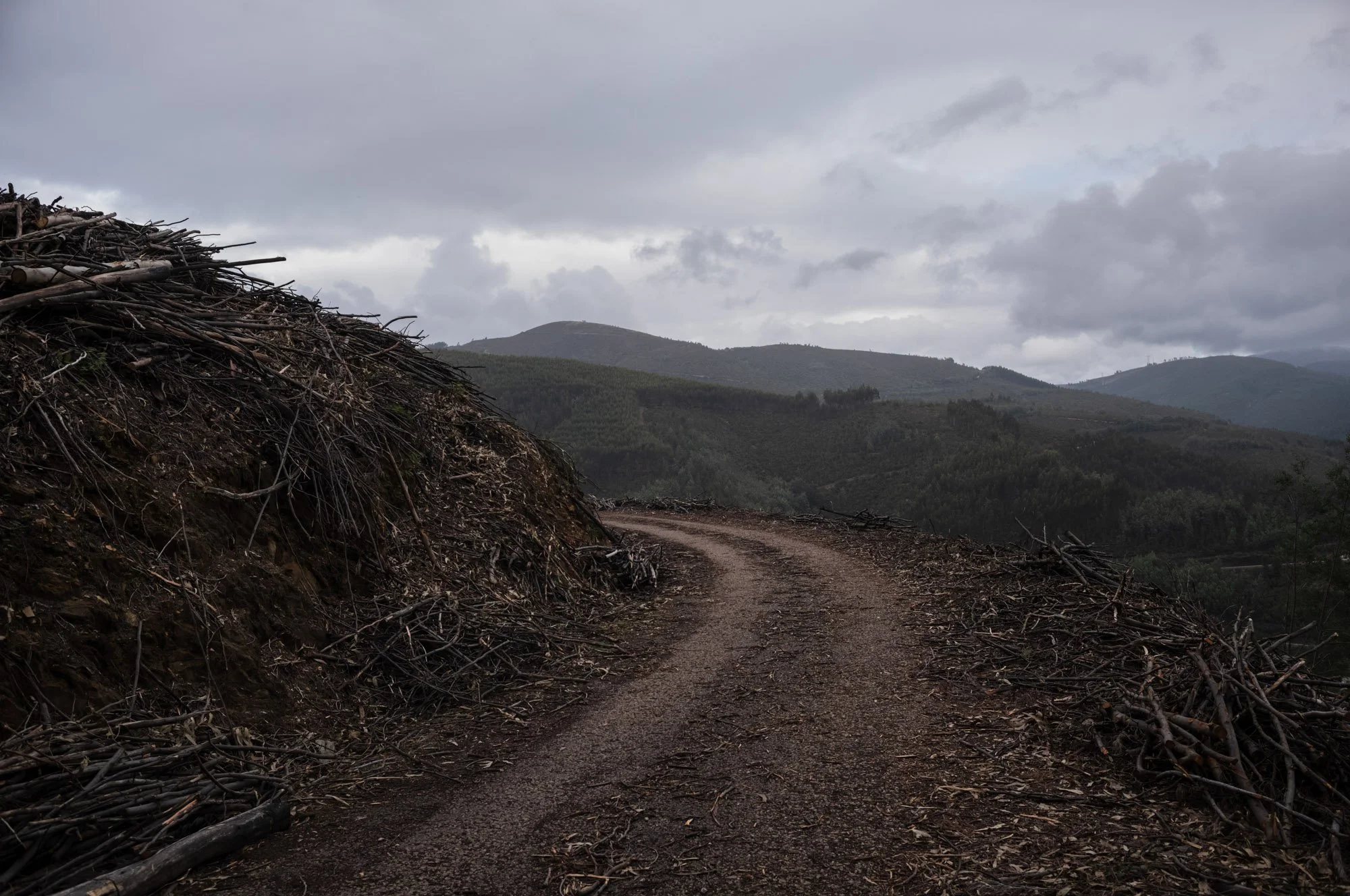
Depopulation in the country’s interior has left vast, unmanaged landscapes. Home to one of the largest expanses of eucalyptus in the world, Portugal is also one of the continent’s top exporters of paper products. Uninterrupted fields of eucalyptus monoculture are a common sight. According to a 2009 pulp industry report, around 80% of these plantations are either mismanaged or not managed at all. The same report predicted that one in every four years would bring significant forest fire losses. They draw much attention from the media, eager to cover the tragedy but quick to depart the scene, only returning the following summer.
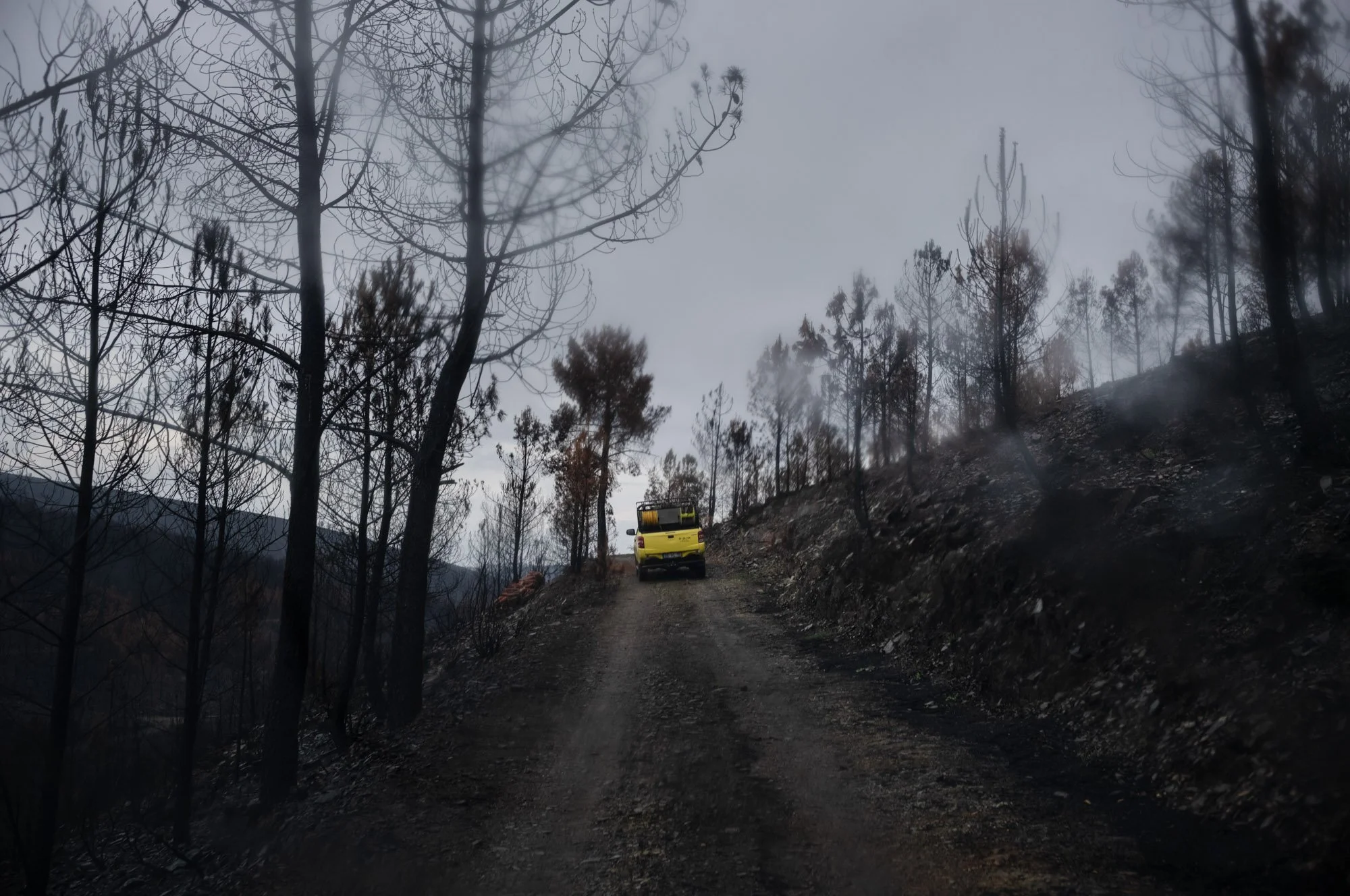
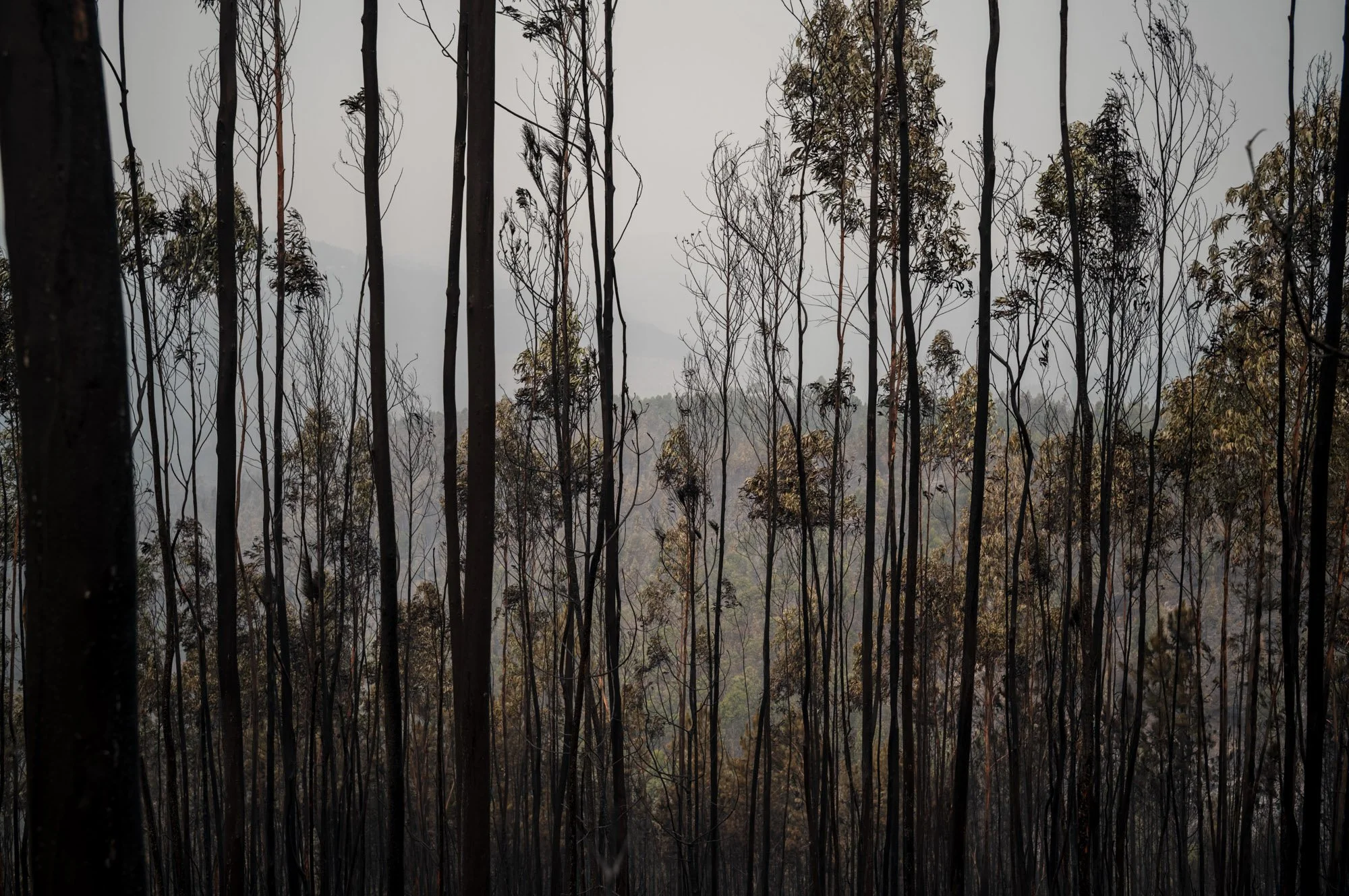
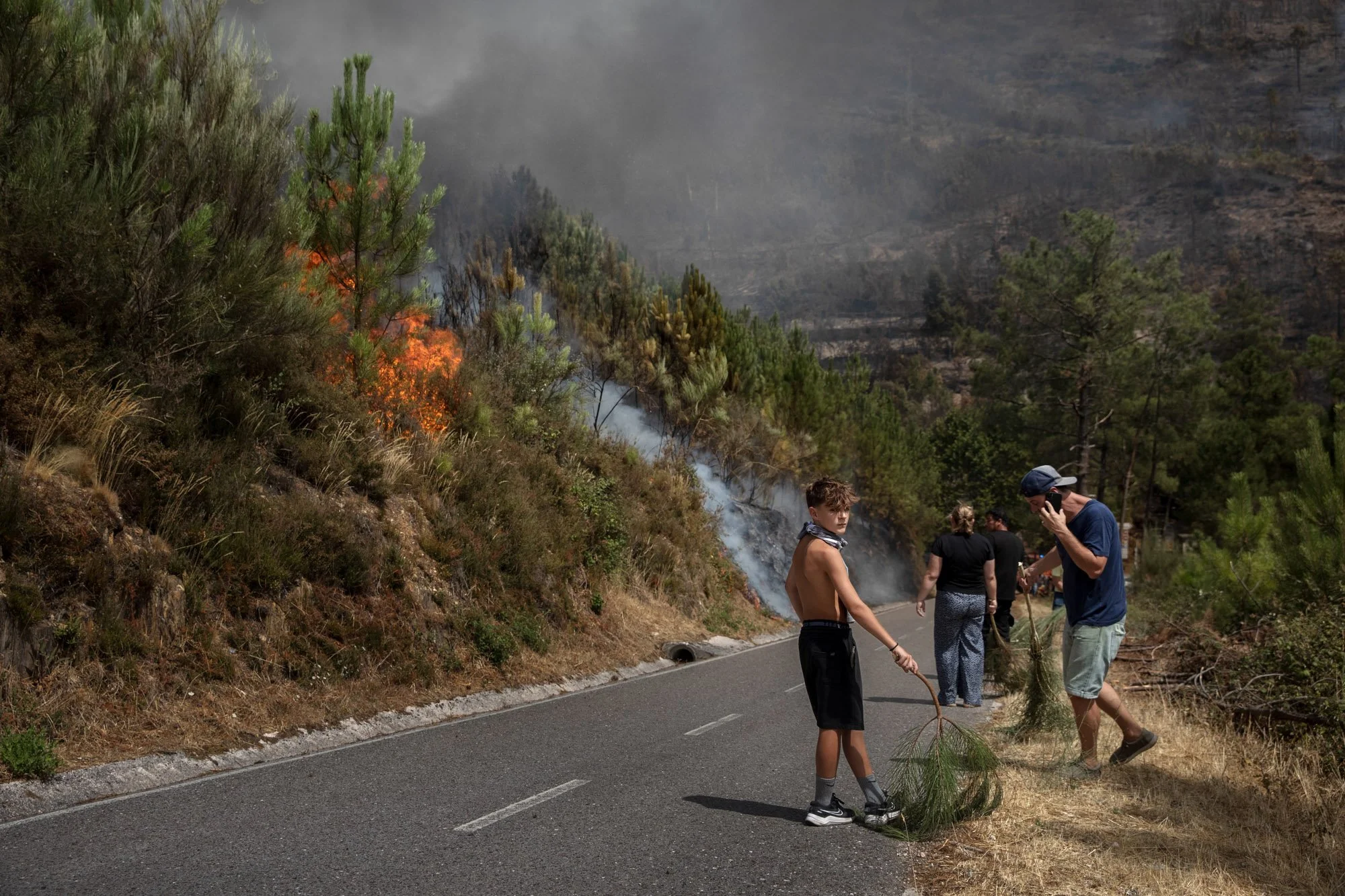
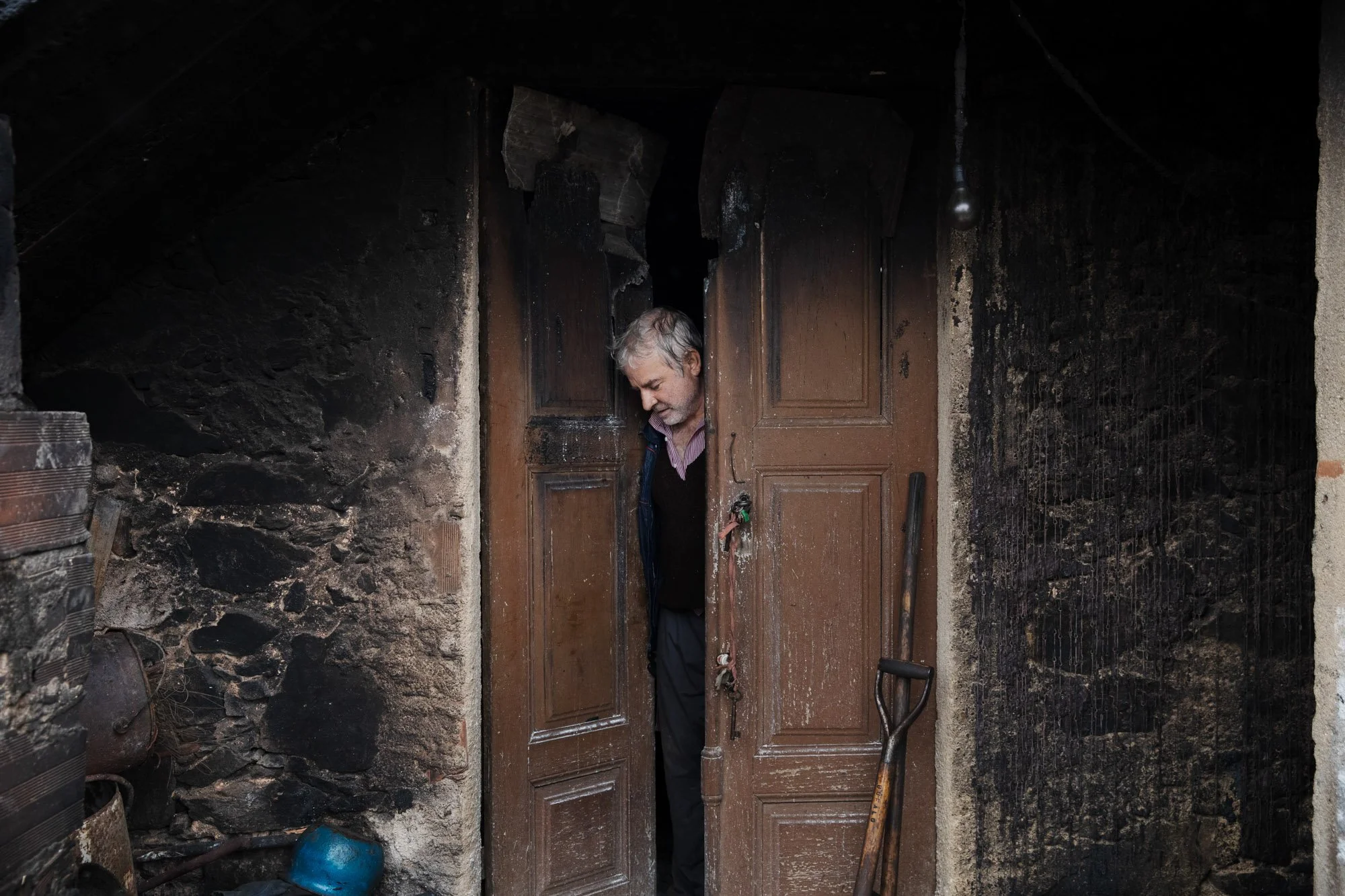
My roots lie in central Portugal, in the Açor Mountains of the Coimbra region—an area devastated by cyclical wildfires. This time, our home was spared, though we lost our orchard in 2017 when wildfires swept through the region, claiming 114 lives. Many in the region lost their homes. The most recent, in August 2025, was the largest ever recorded in the country, with 66,000 hectares burned. I was there, documenting my community and how they cope with this enormous tragedy that affects us year after year and does not allow nature enou- gh time to restore itself, even with human intervention. At the entrance to Vila Pouca da Beira, in Oliveira do Hospital, I photographed an agricultural shed near the cemetery. Two days after the flames had passed, it was still burning. The owner stood beside it crying. “Thank God, this time we didn’t lose everything,” he told me. “In 2017, I lost two nephews. They’re buried just over there.”
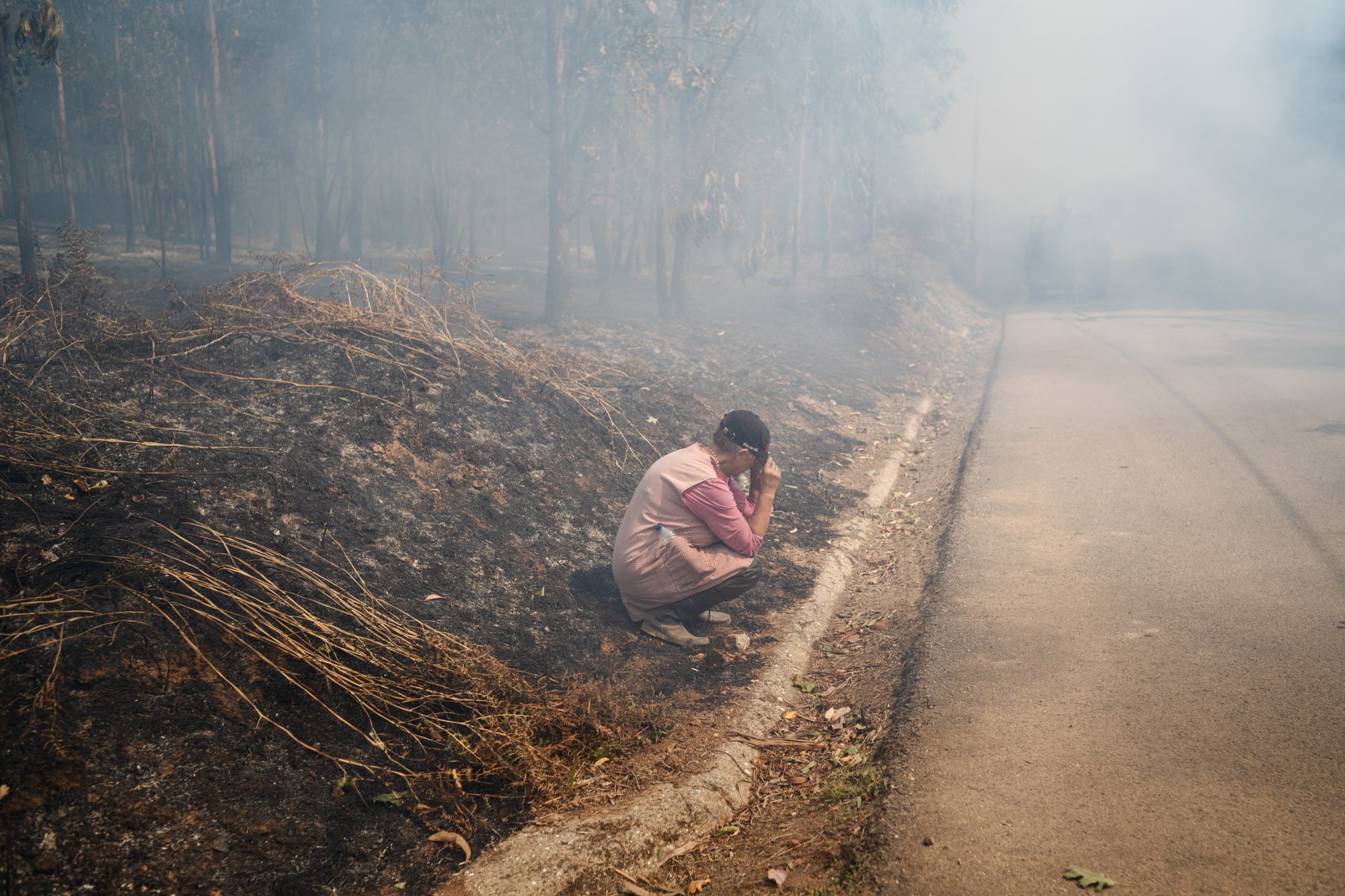
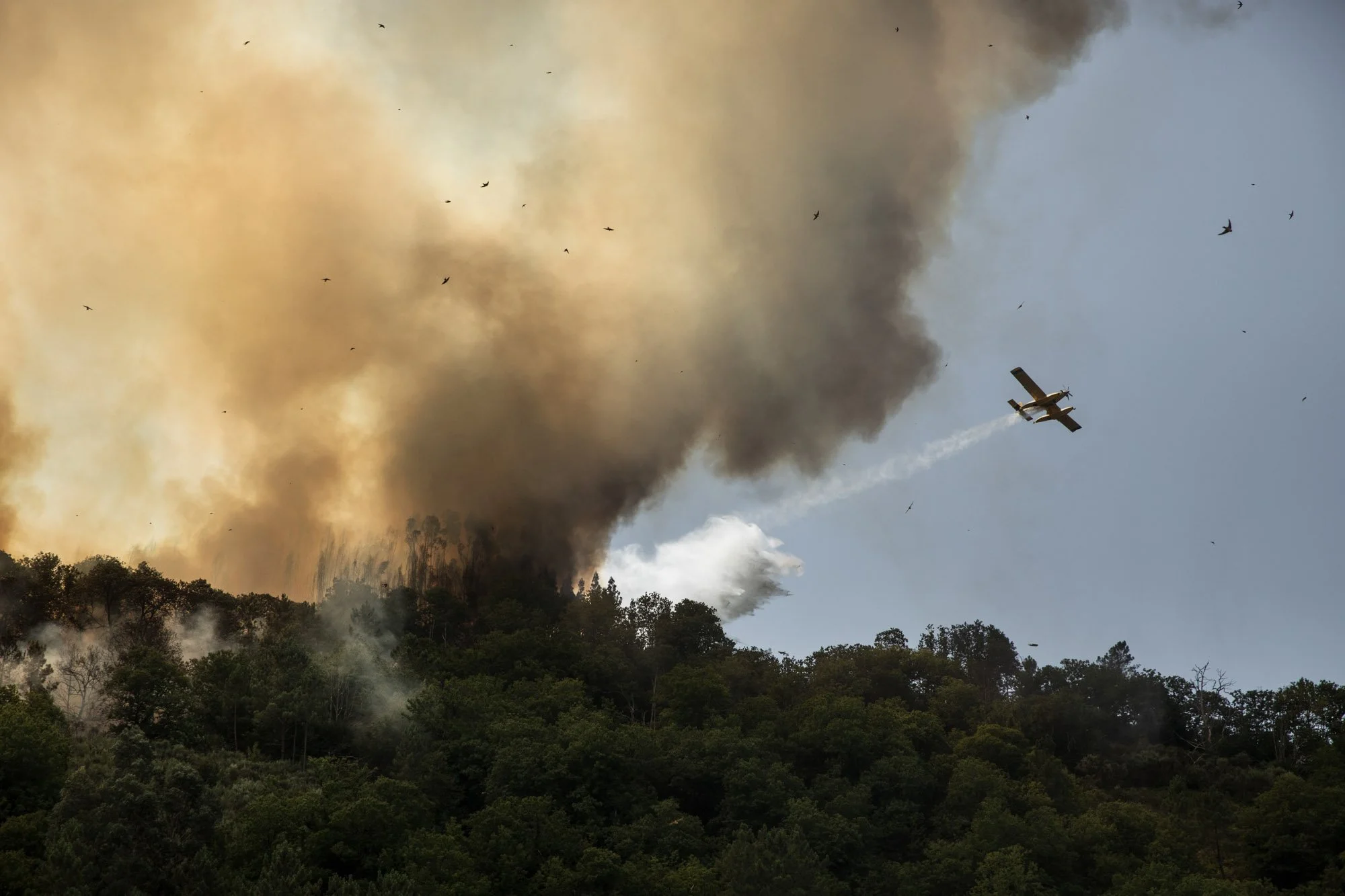
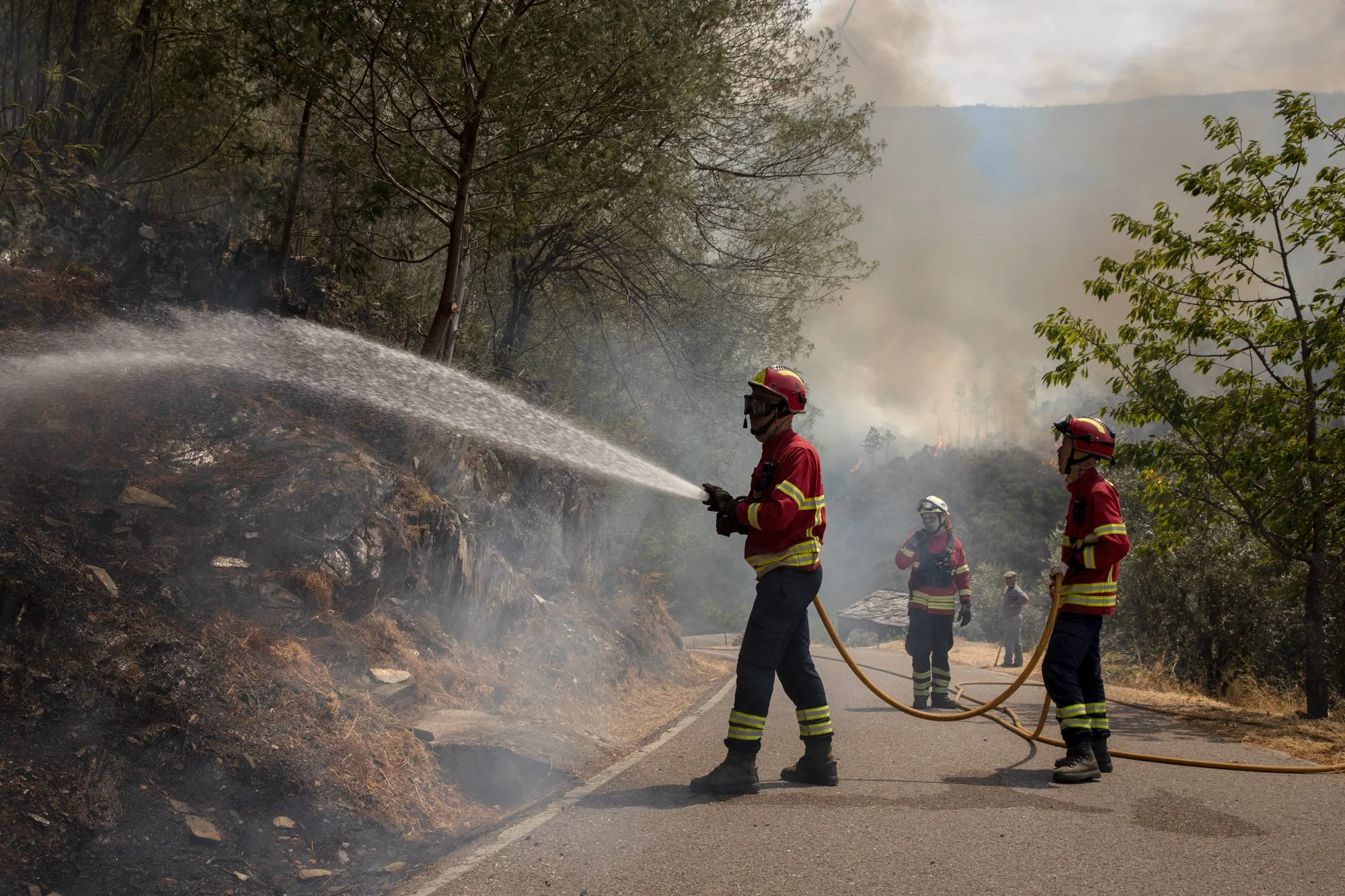
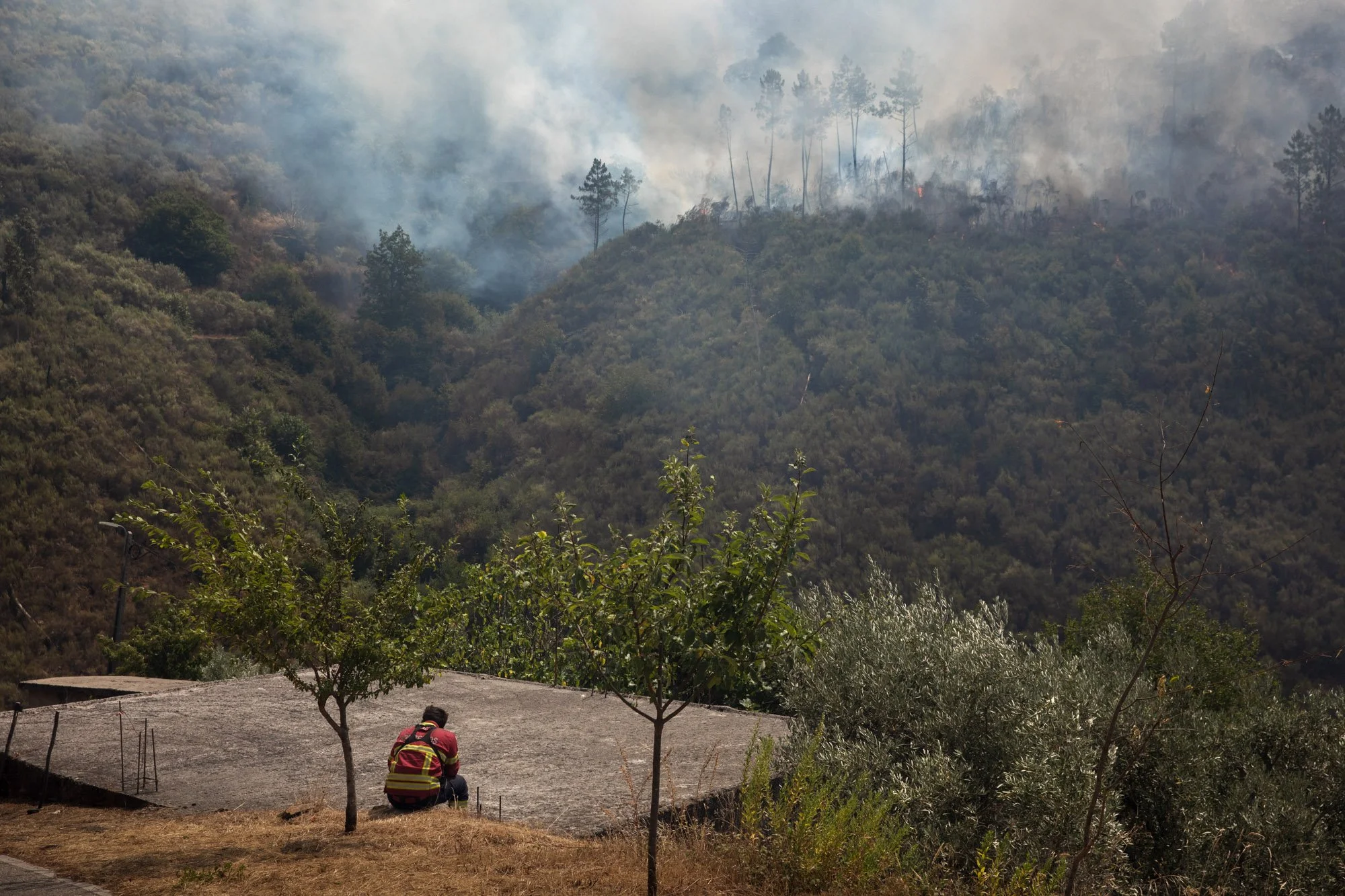
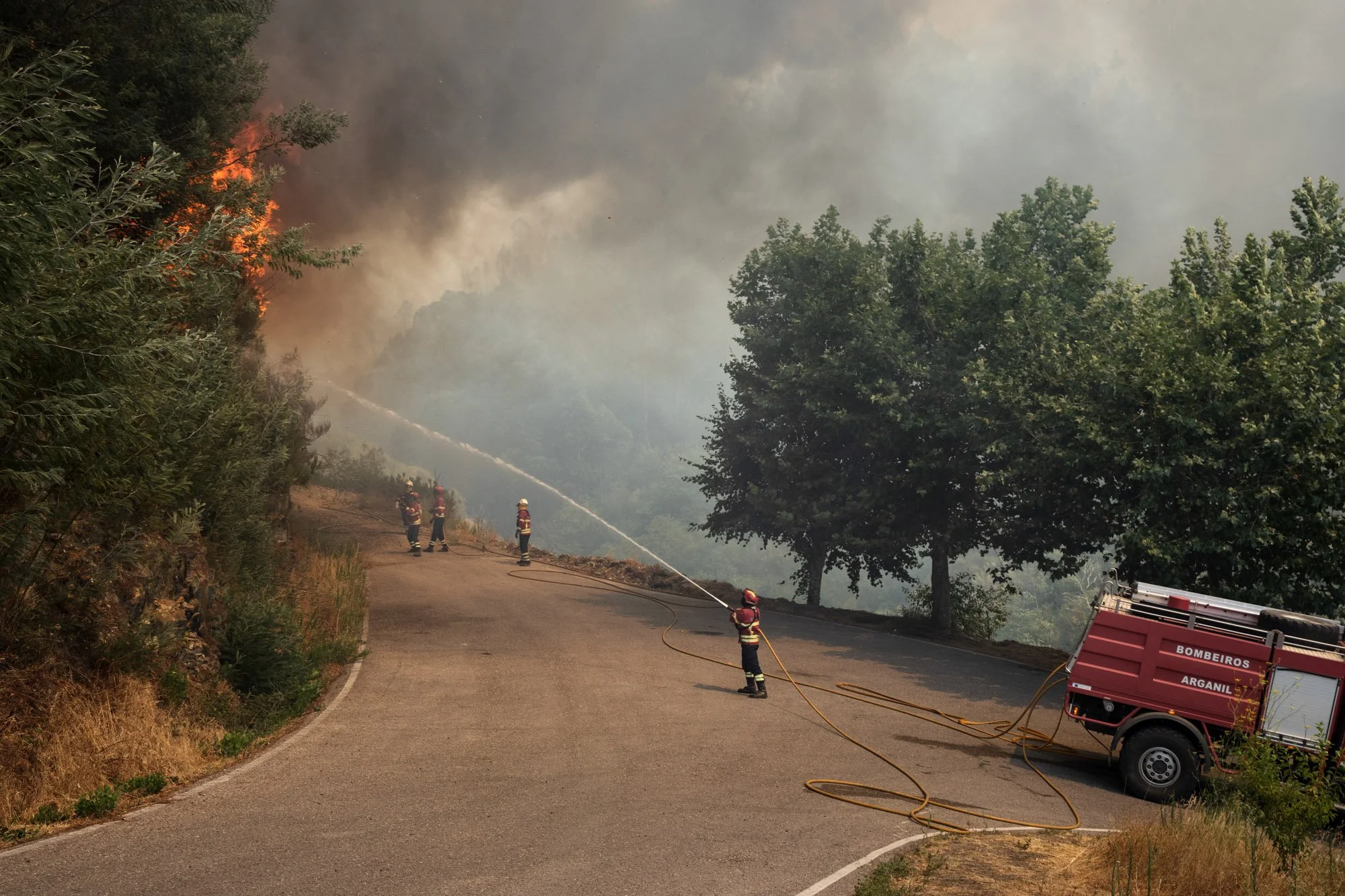
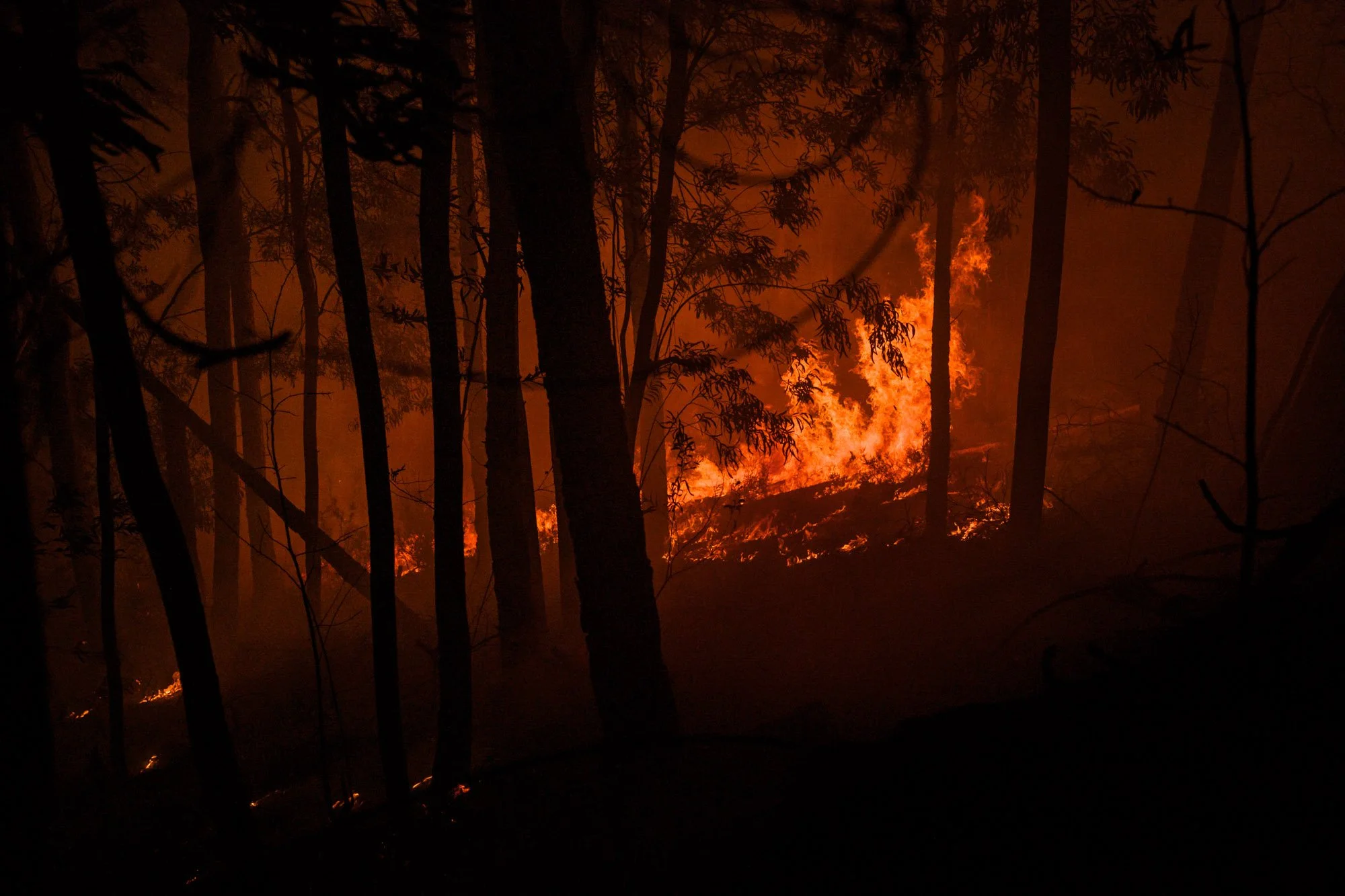
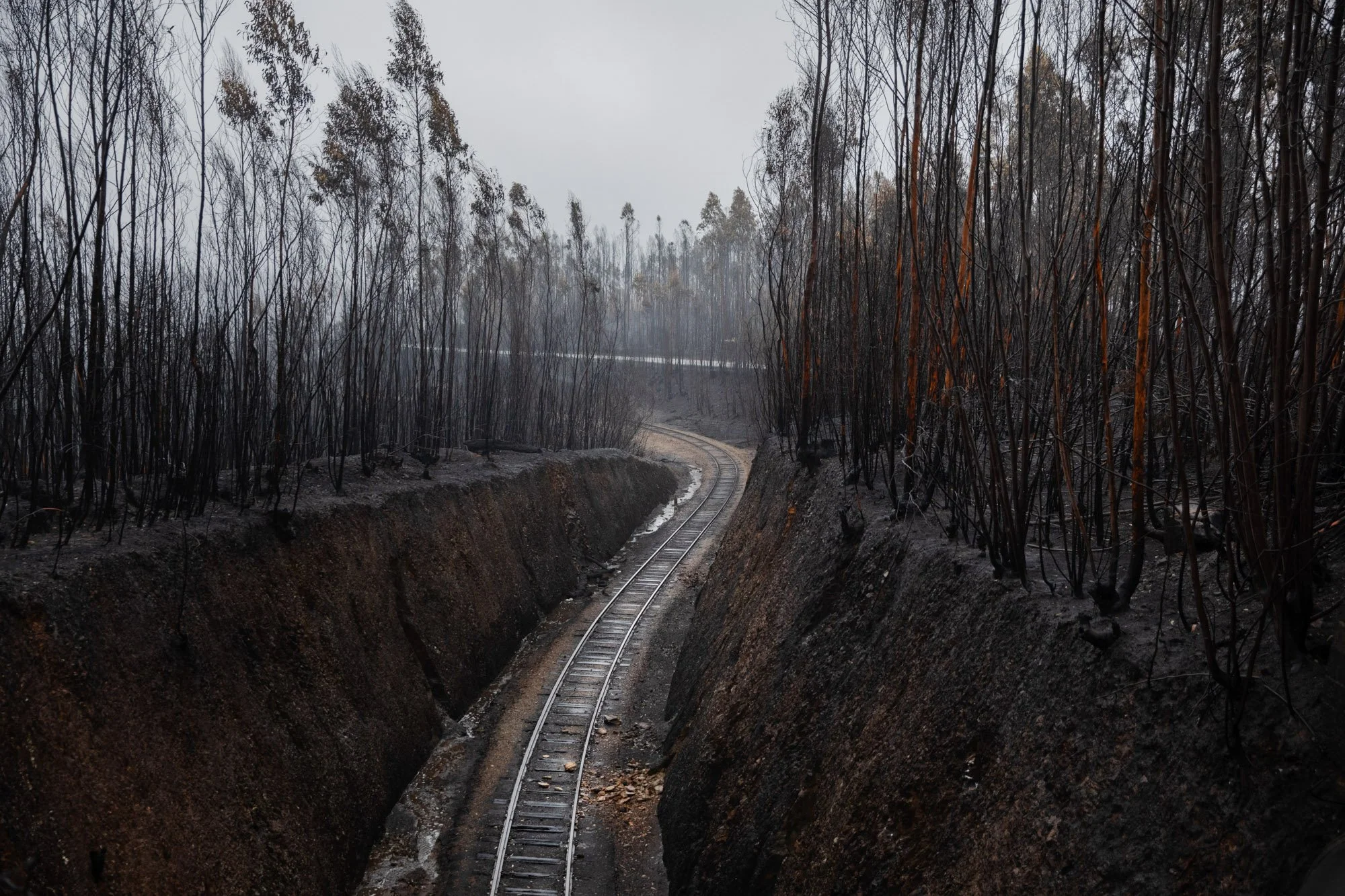
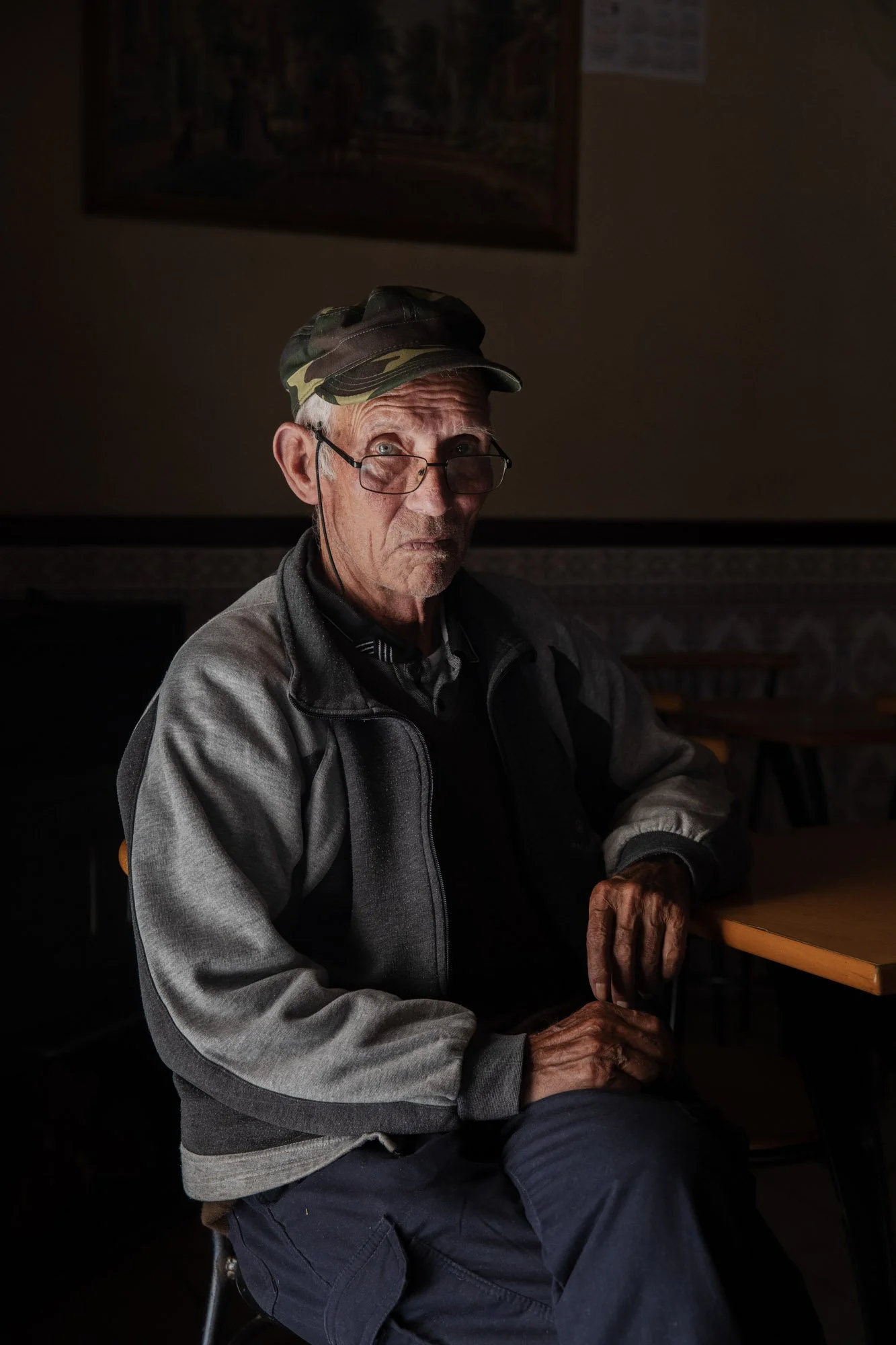
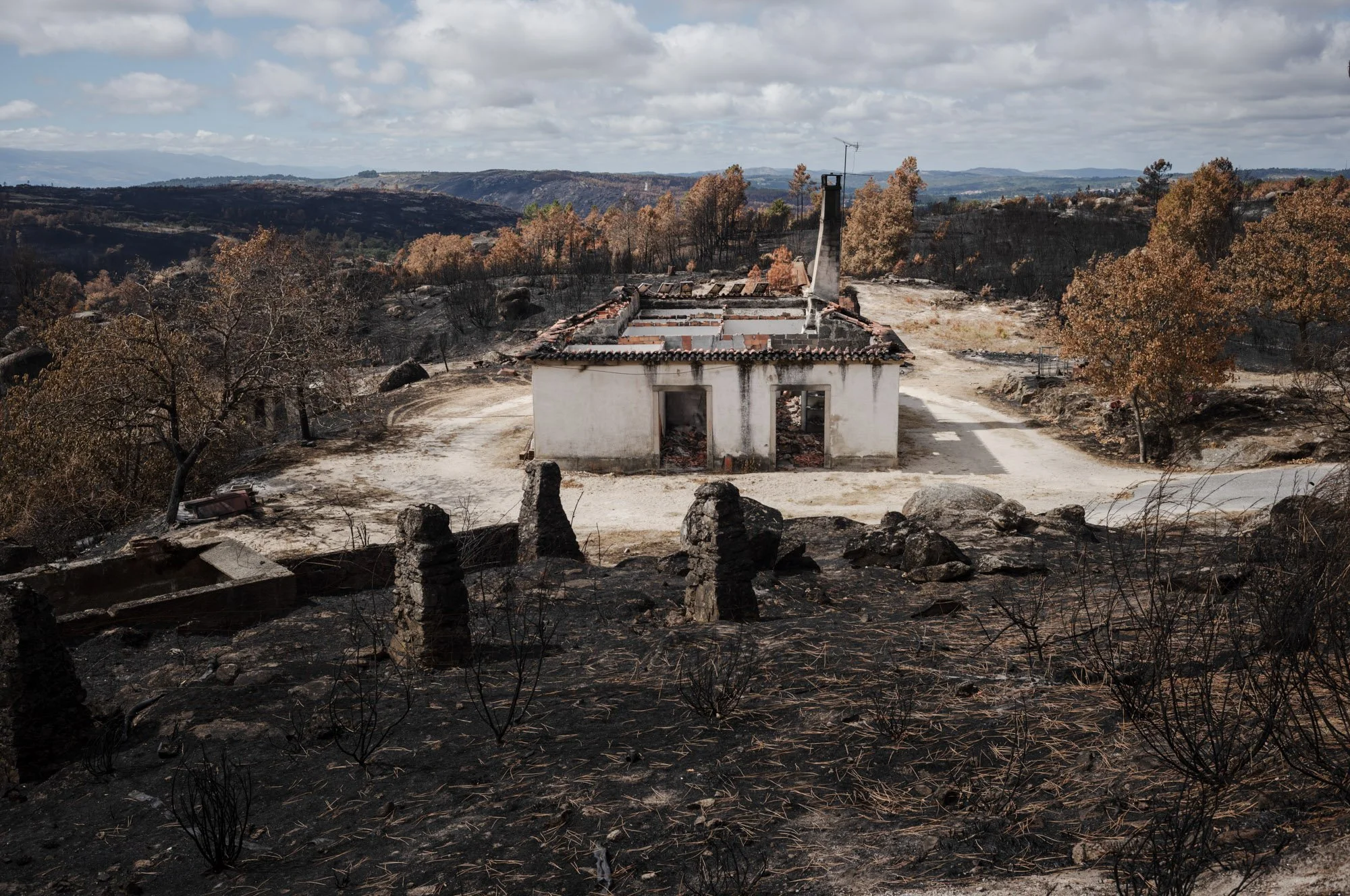
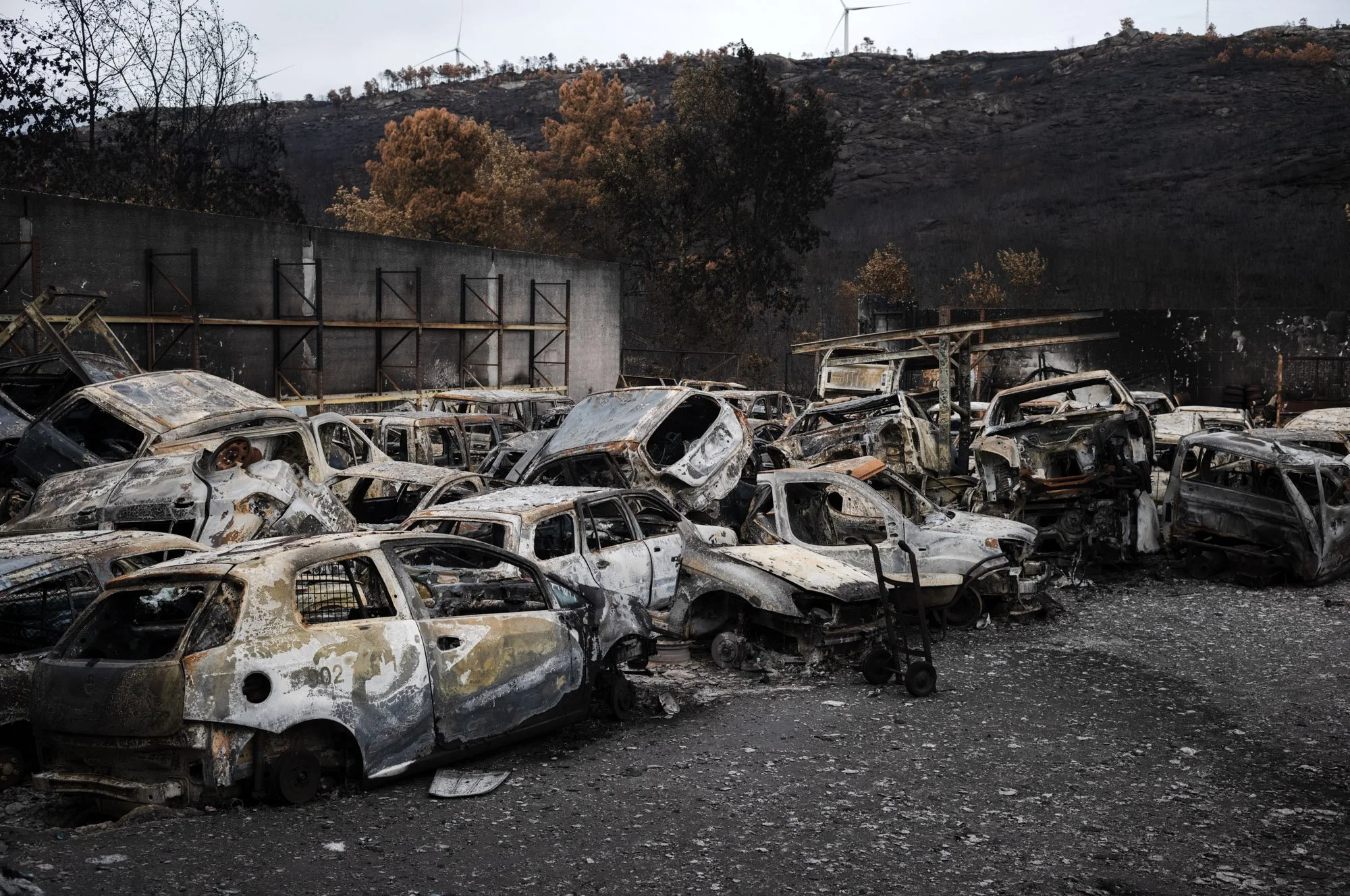
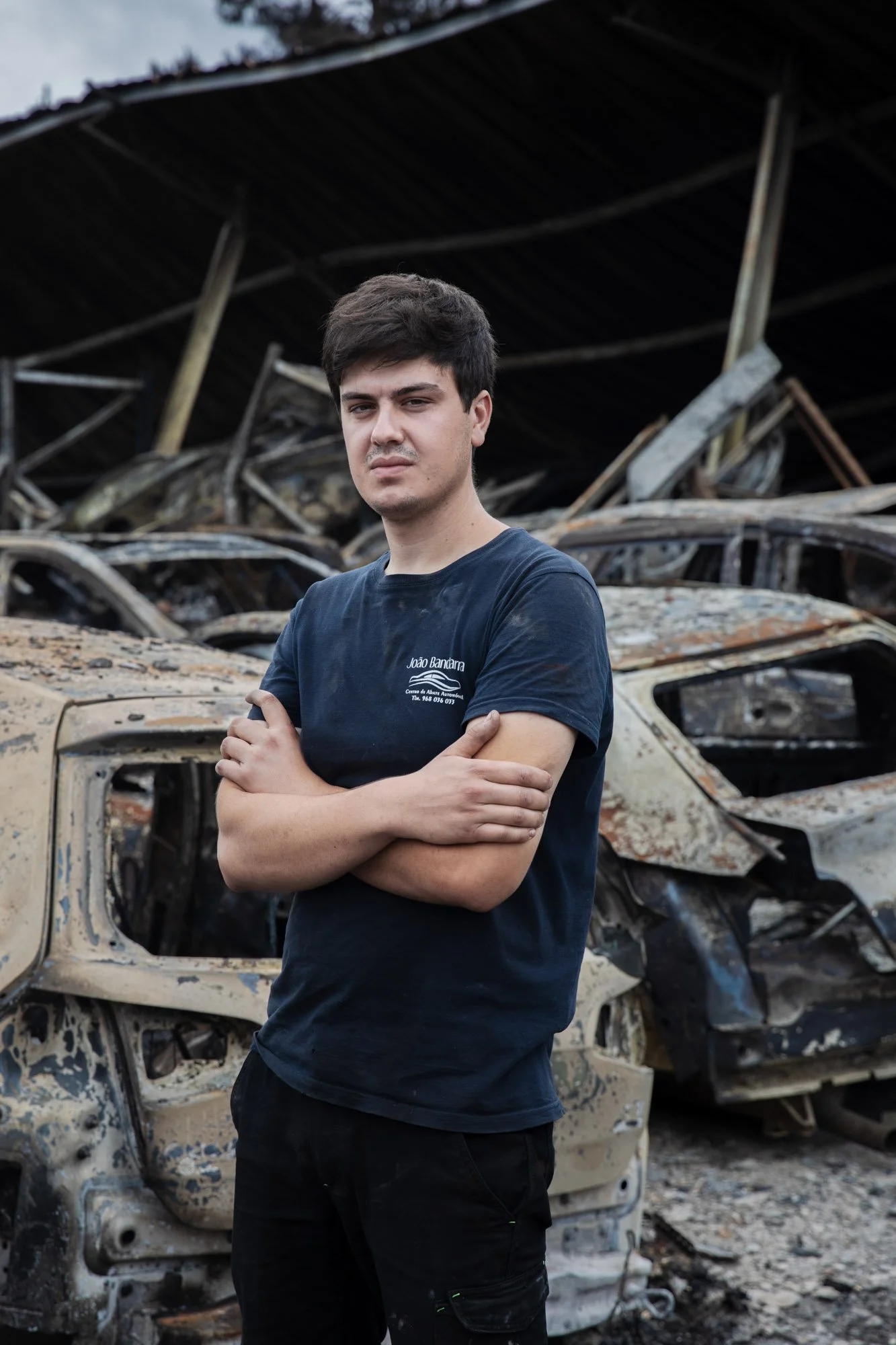
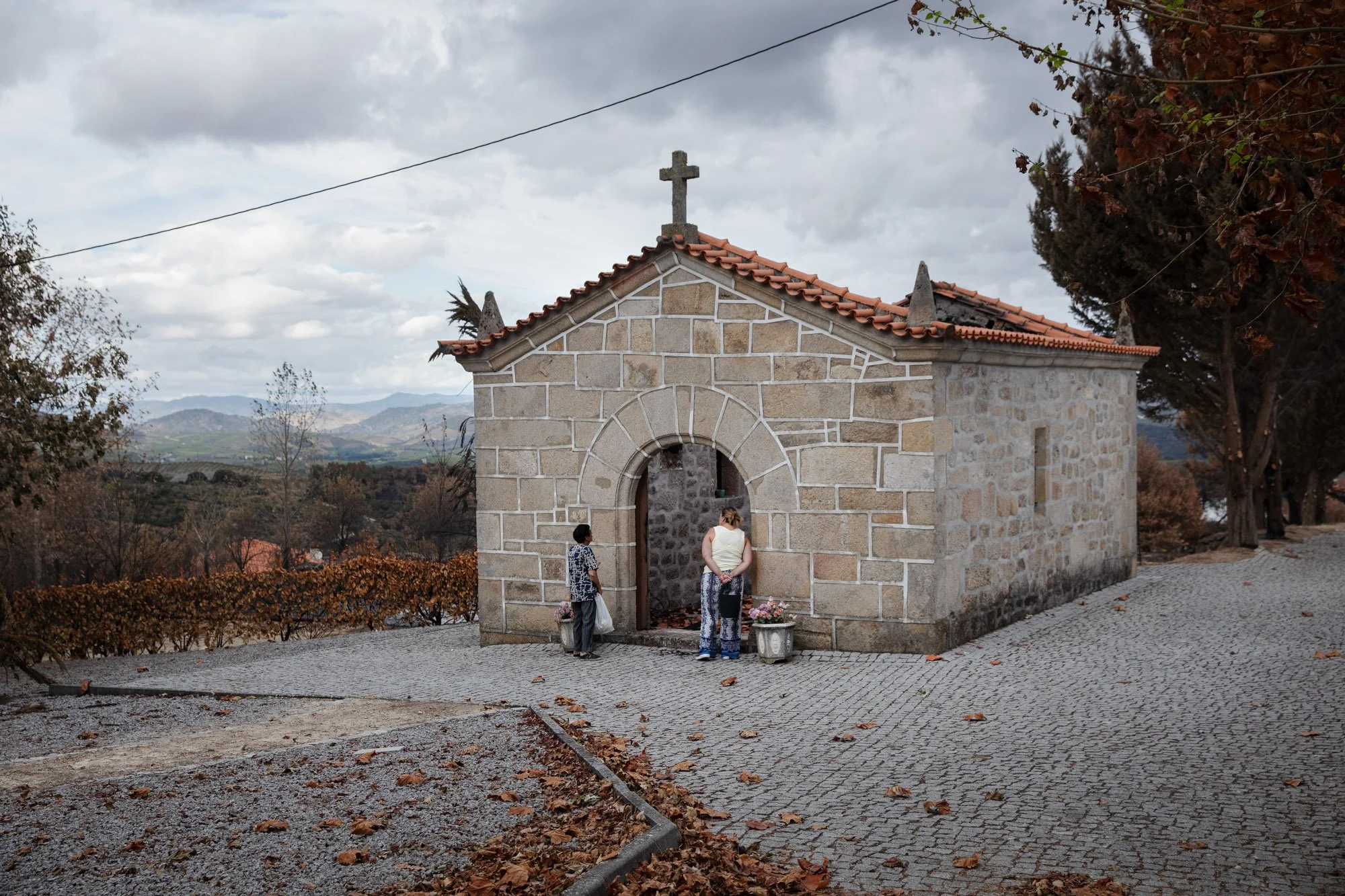
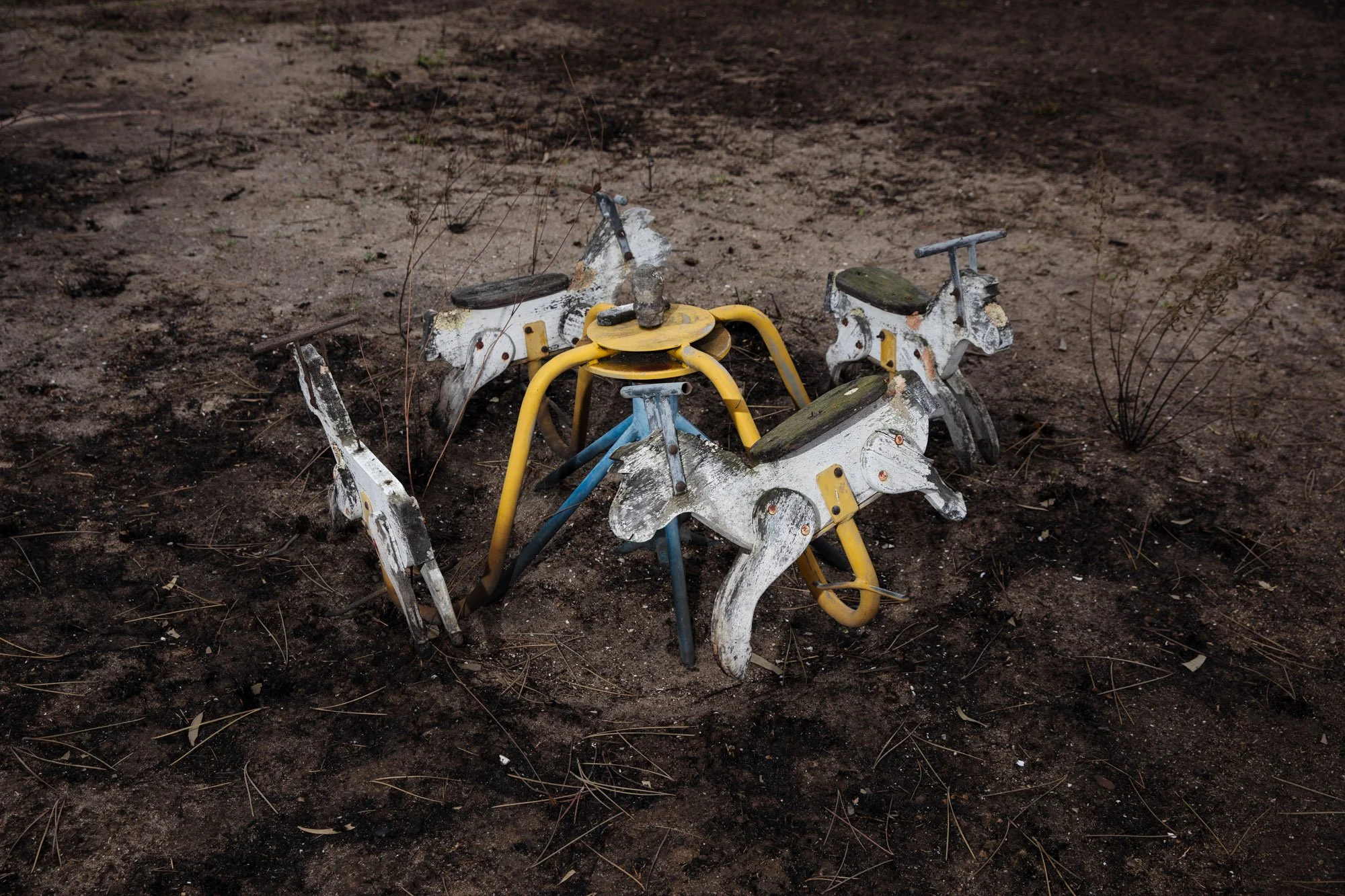
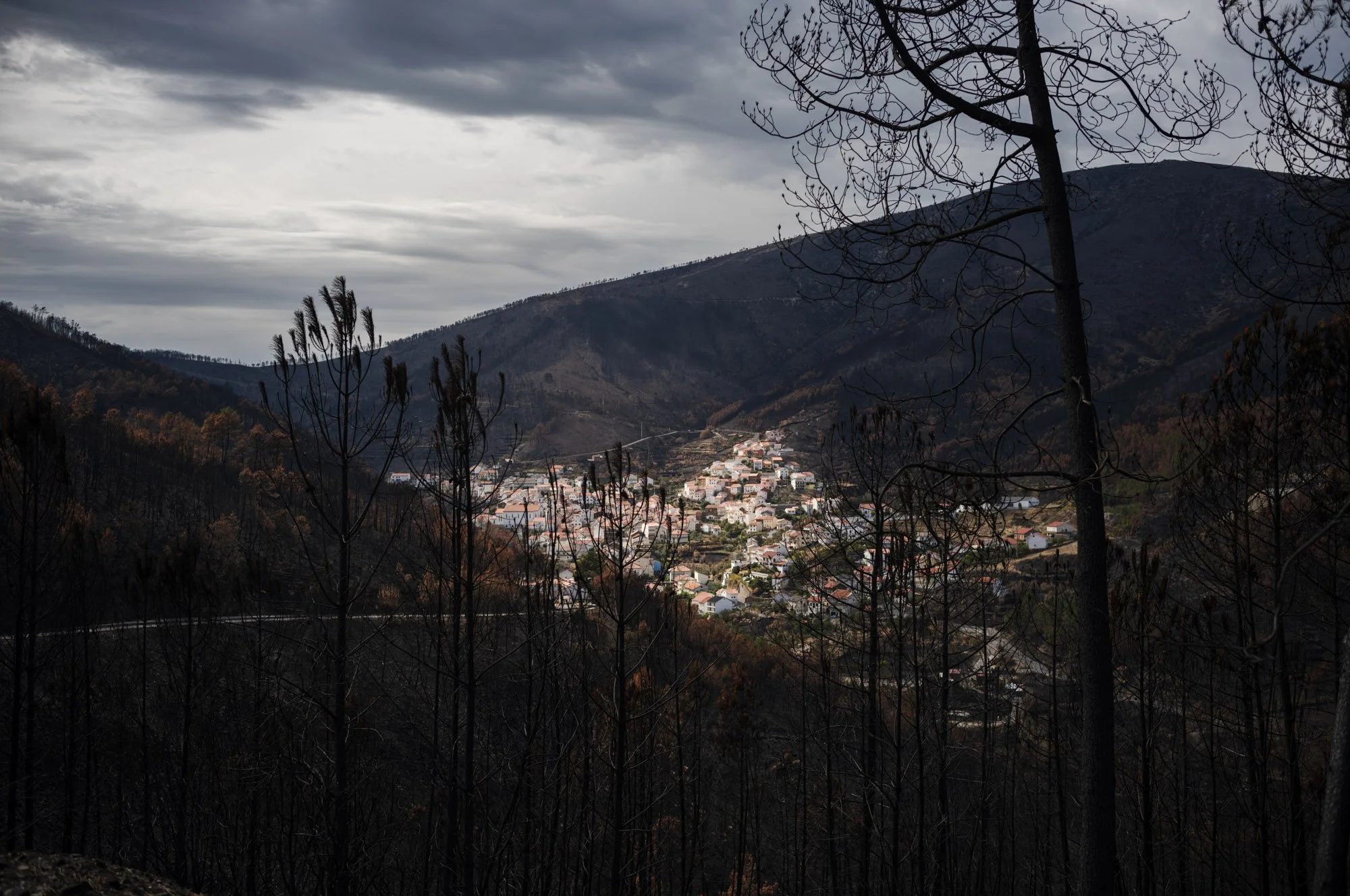
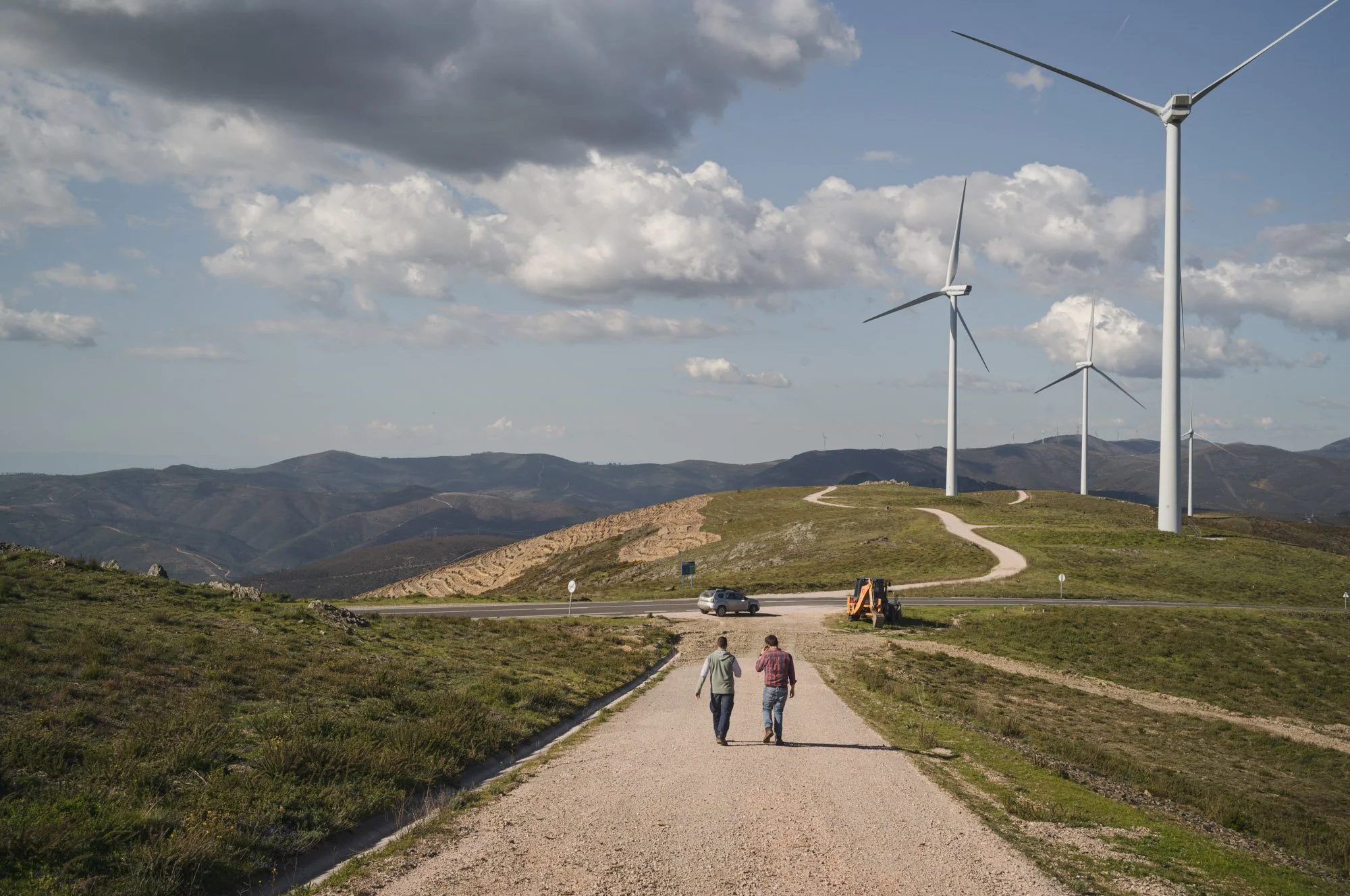
A Burning Landscape examines why Portugal burns so frequently and documents the efforts being made to change that reality. It aims to highlight how the country and its communities are combining technology, ecological restoration, traditional fire knowledge, and large-scale land management to rise from the ashes and build a more fire-resilient future.
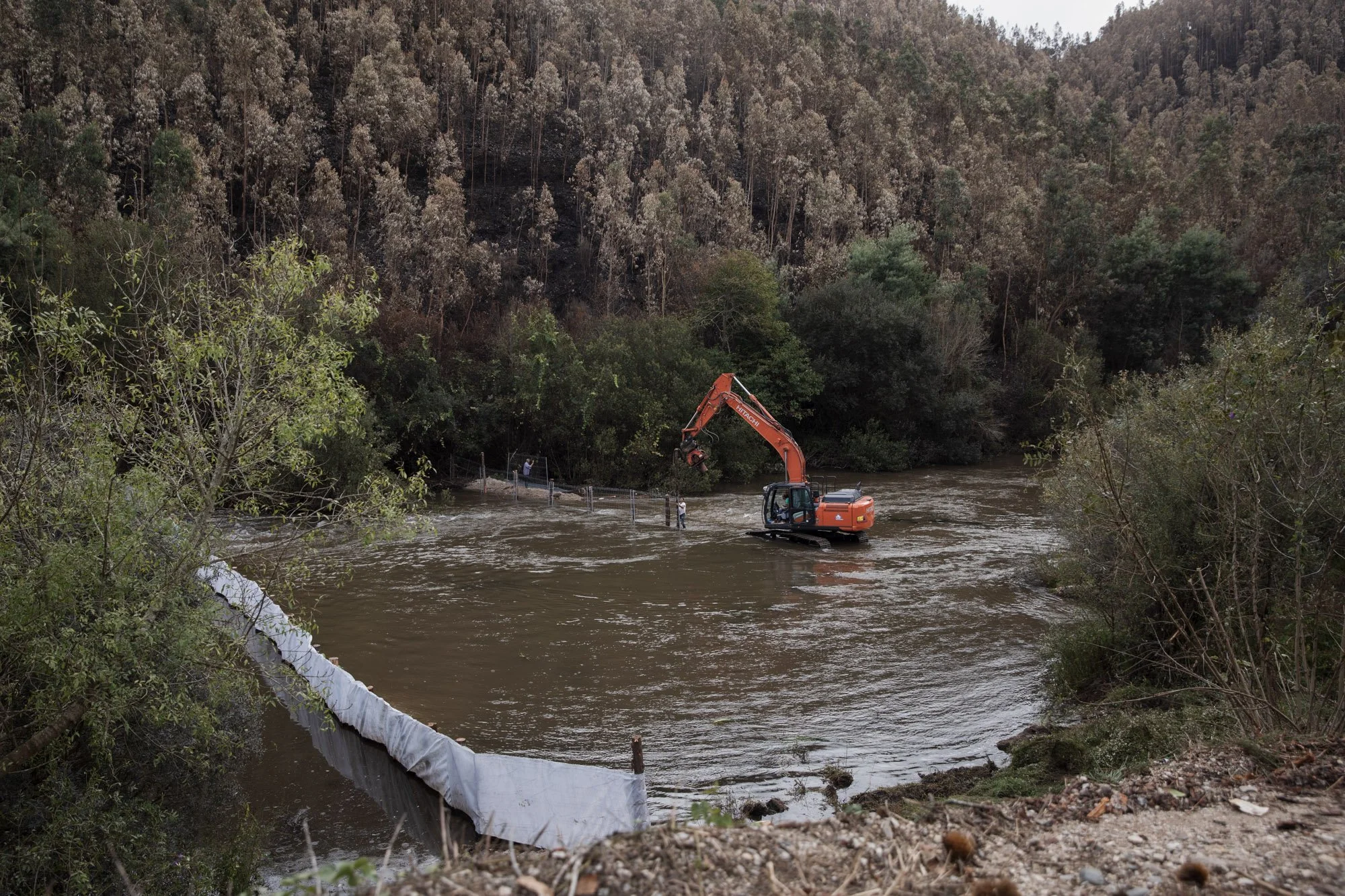
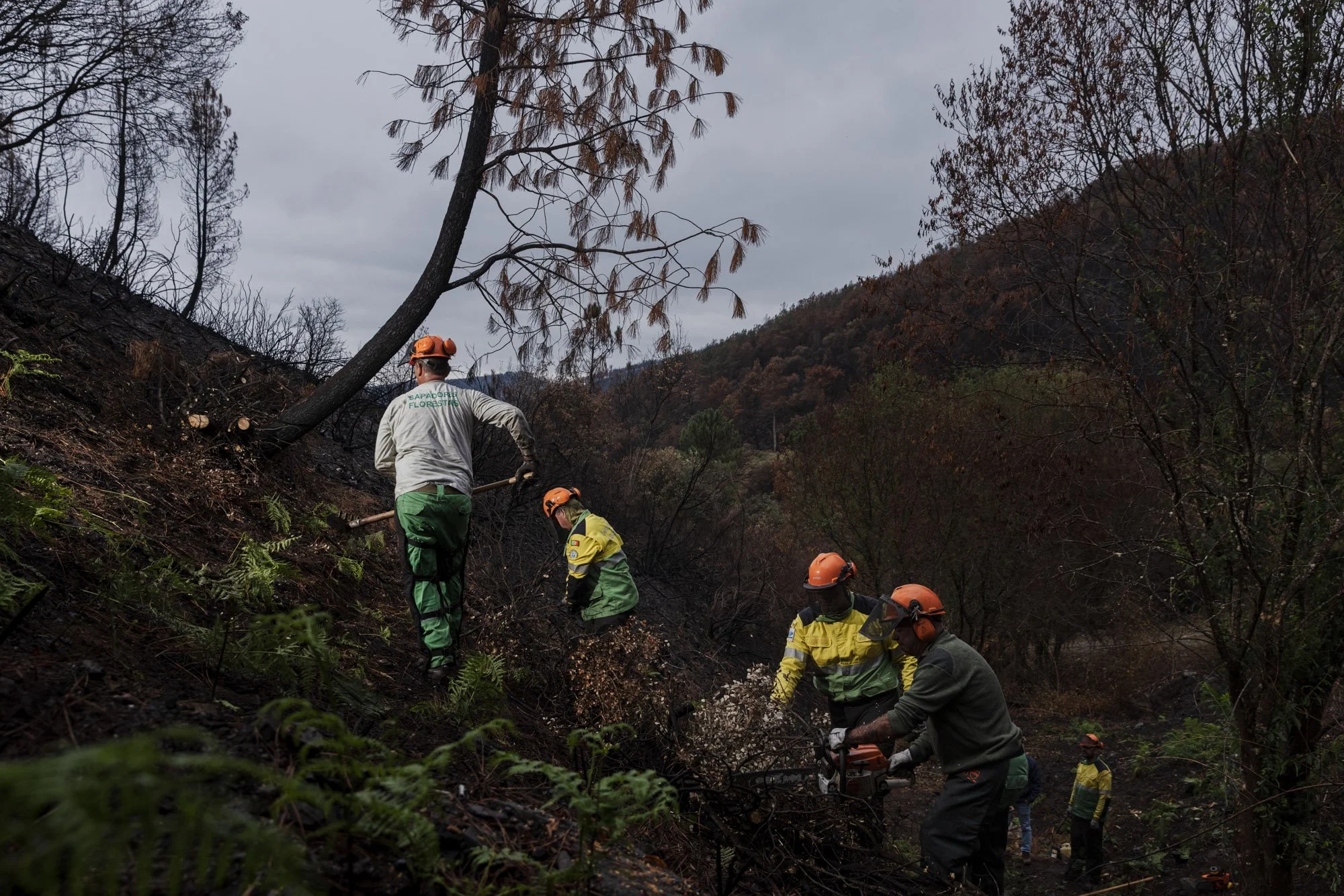
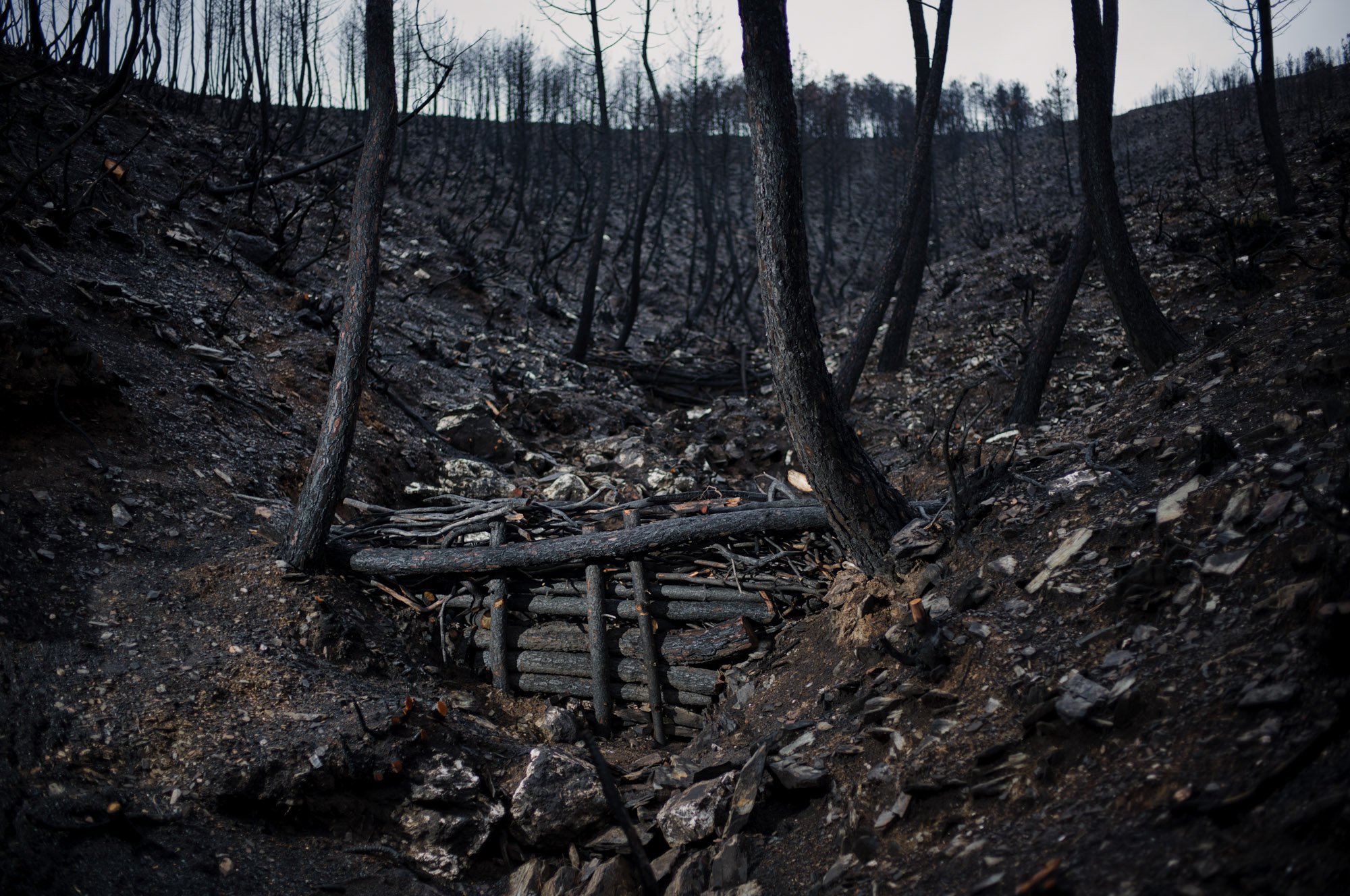
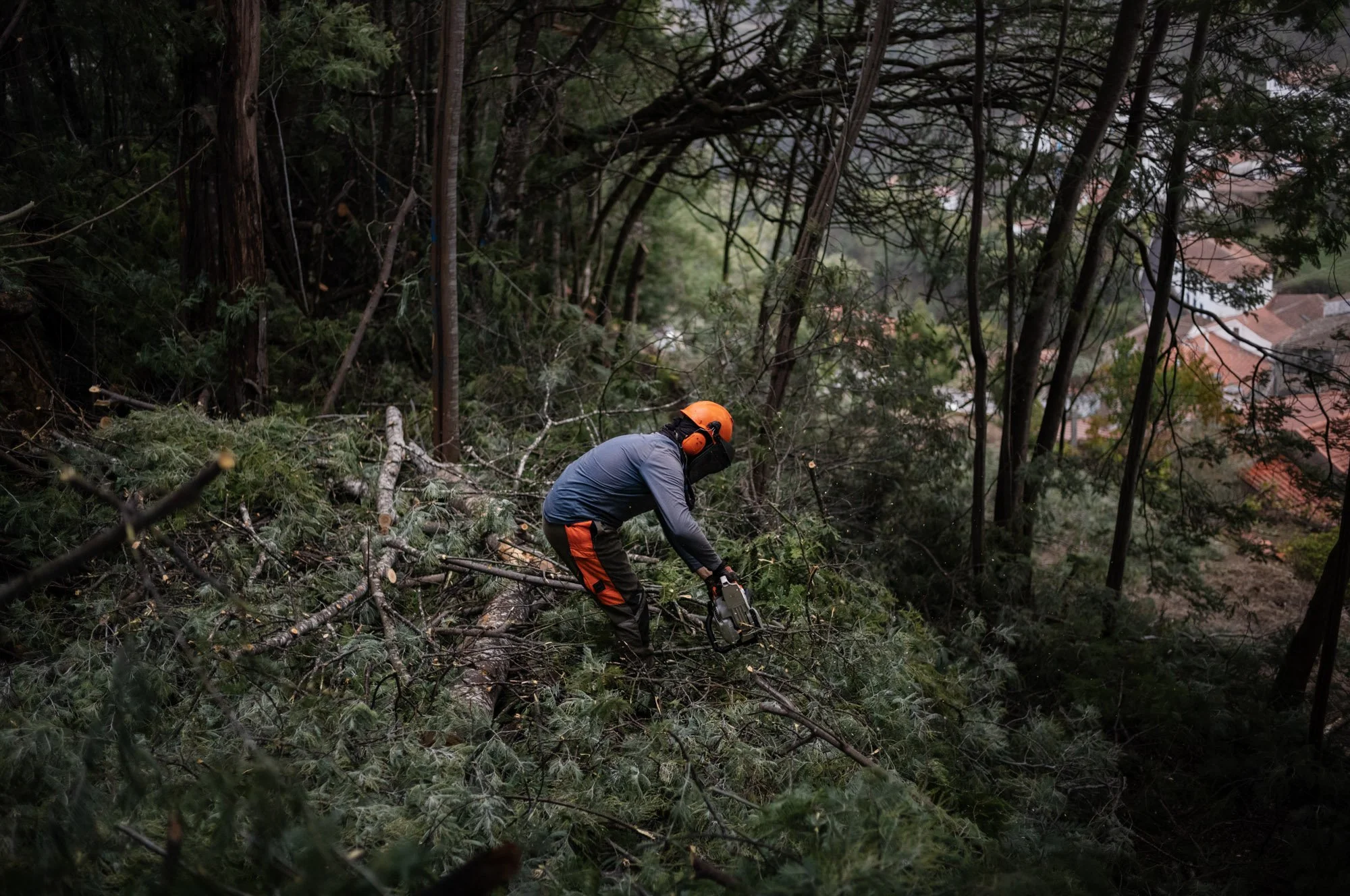
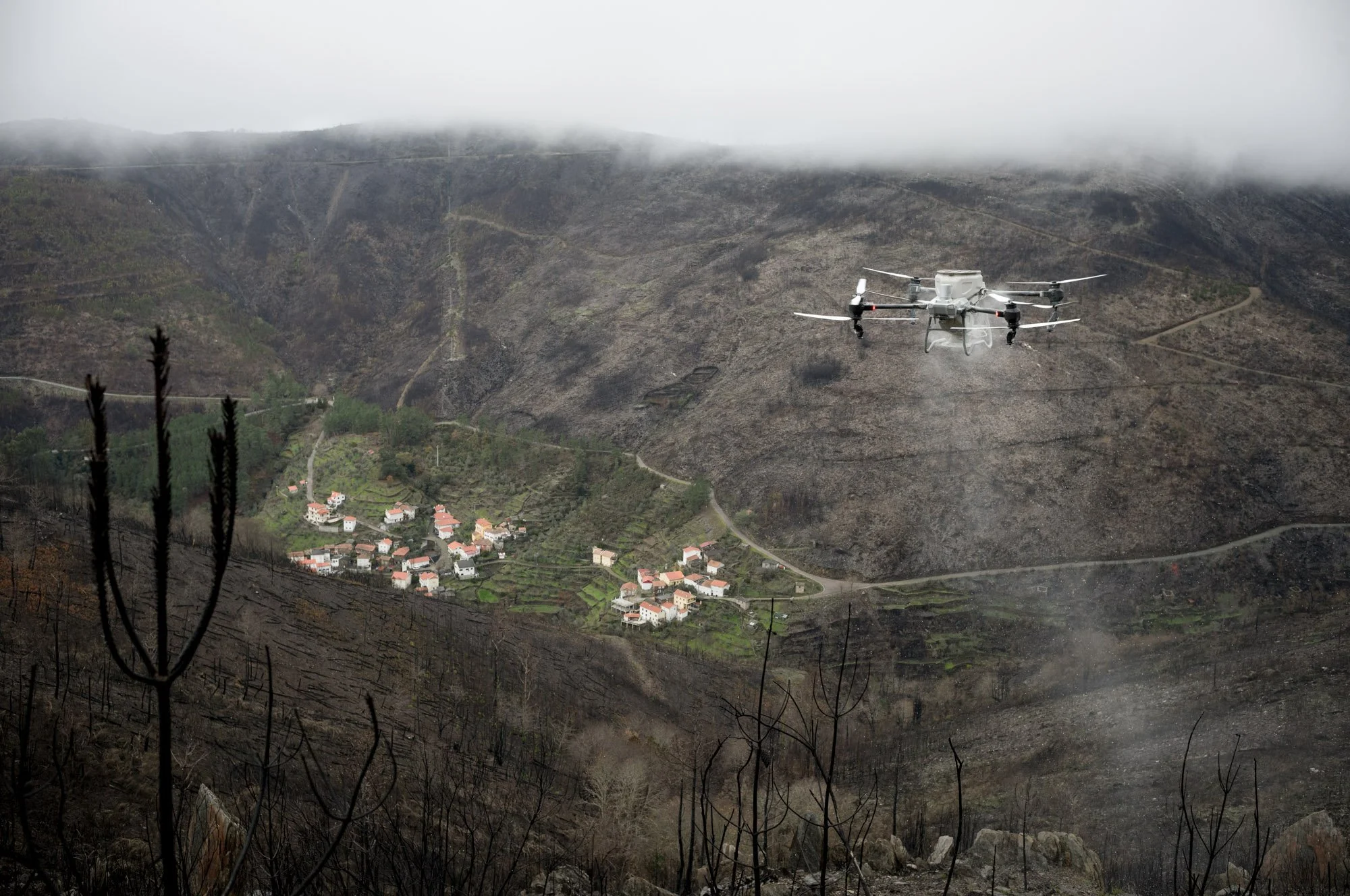
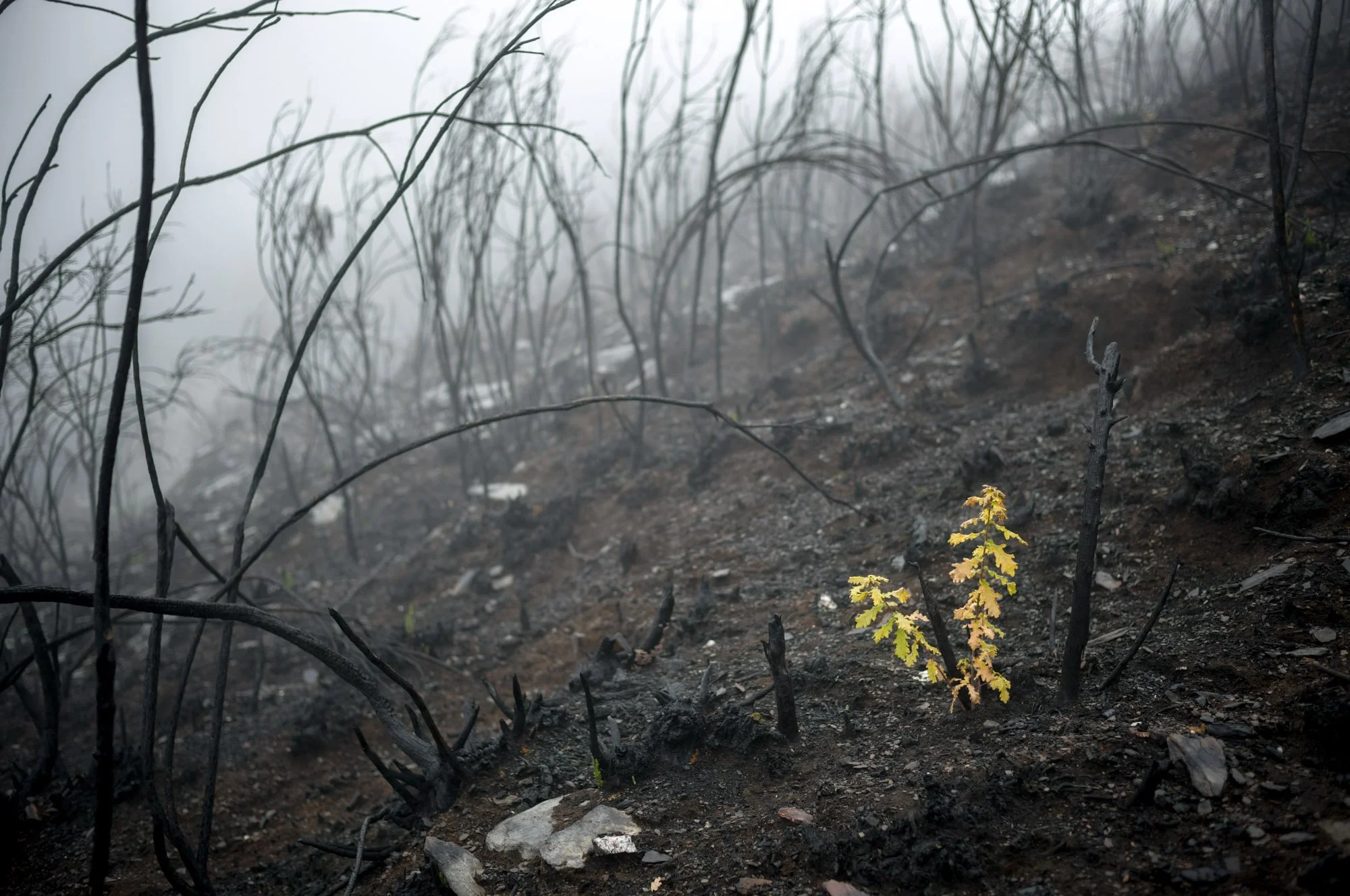
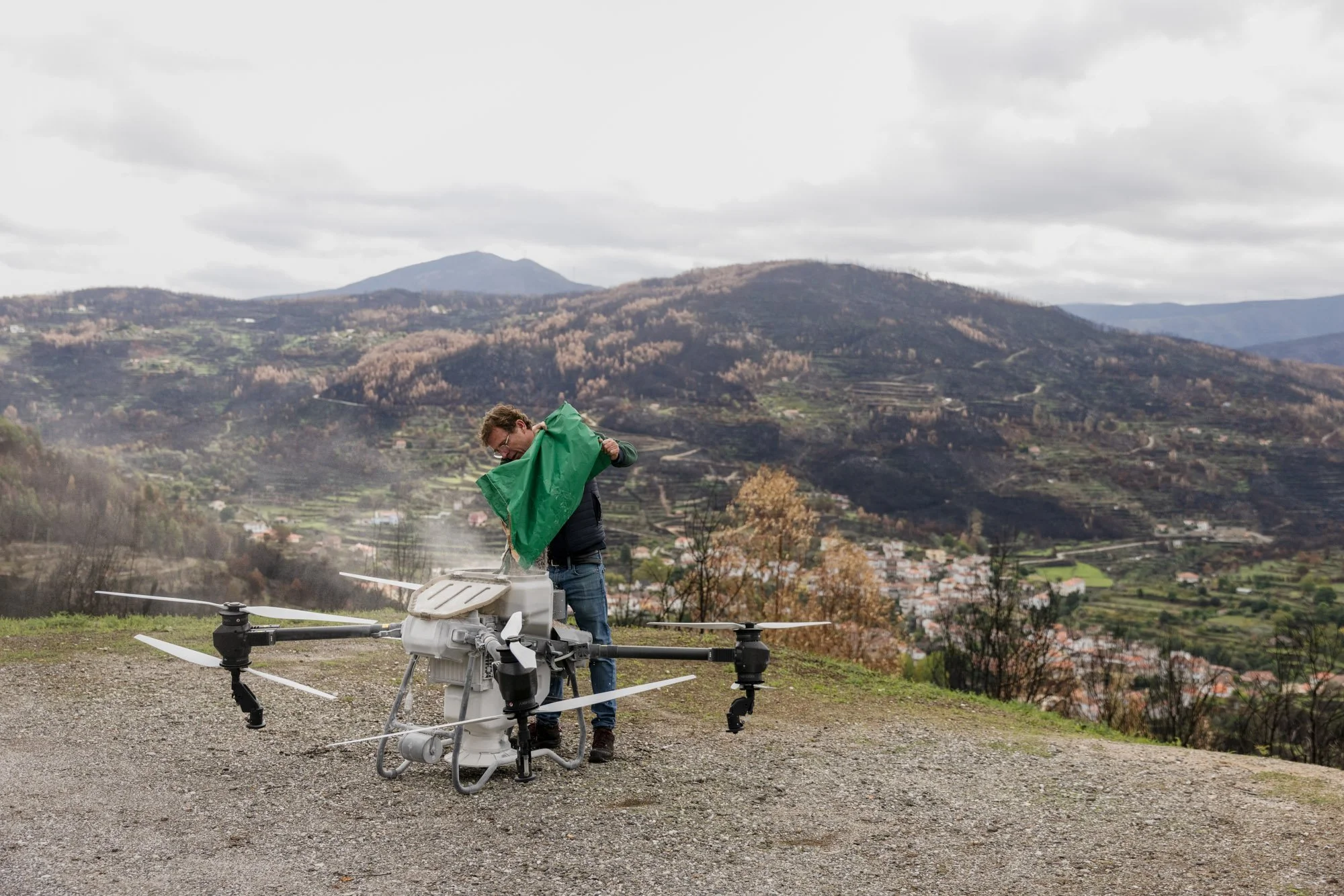
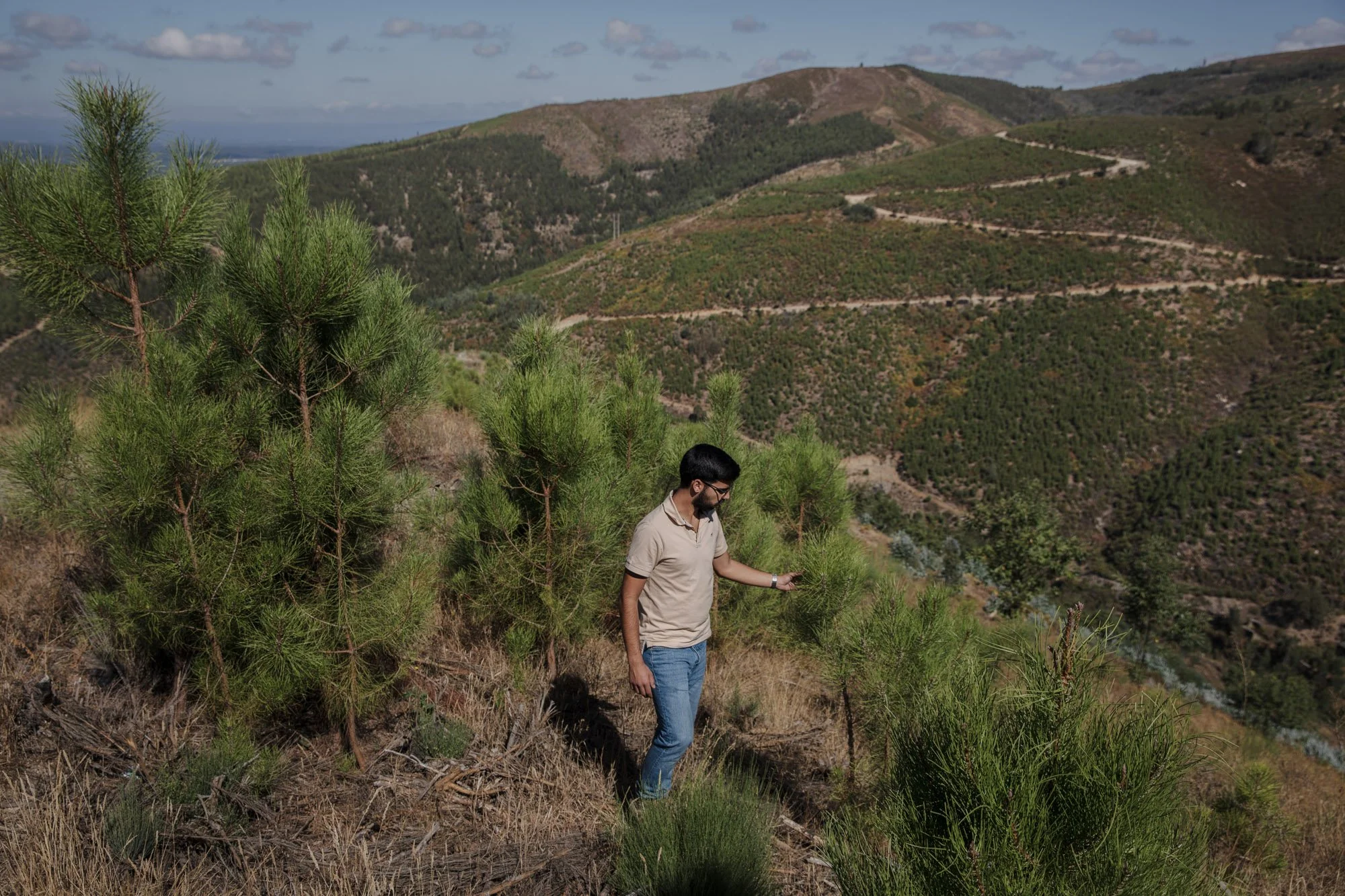
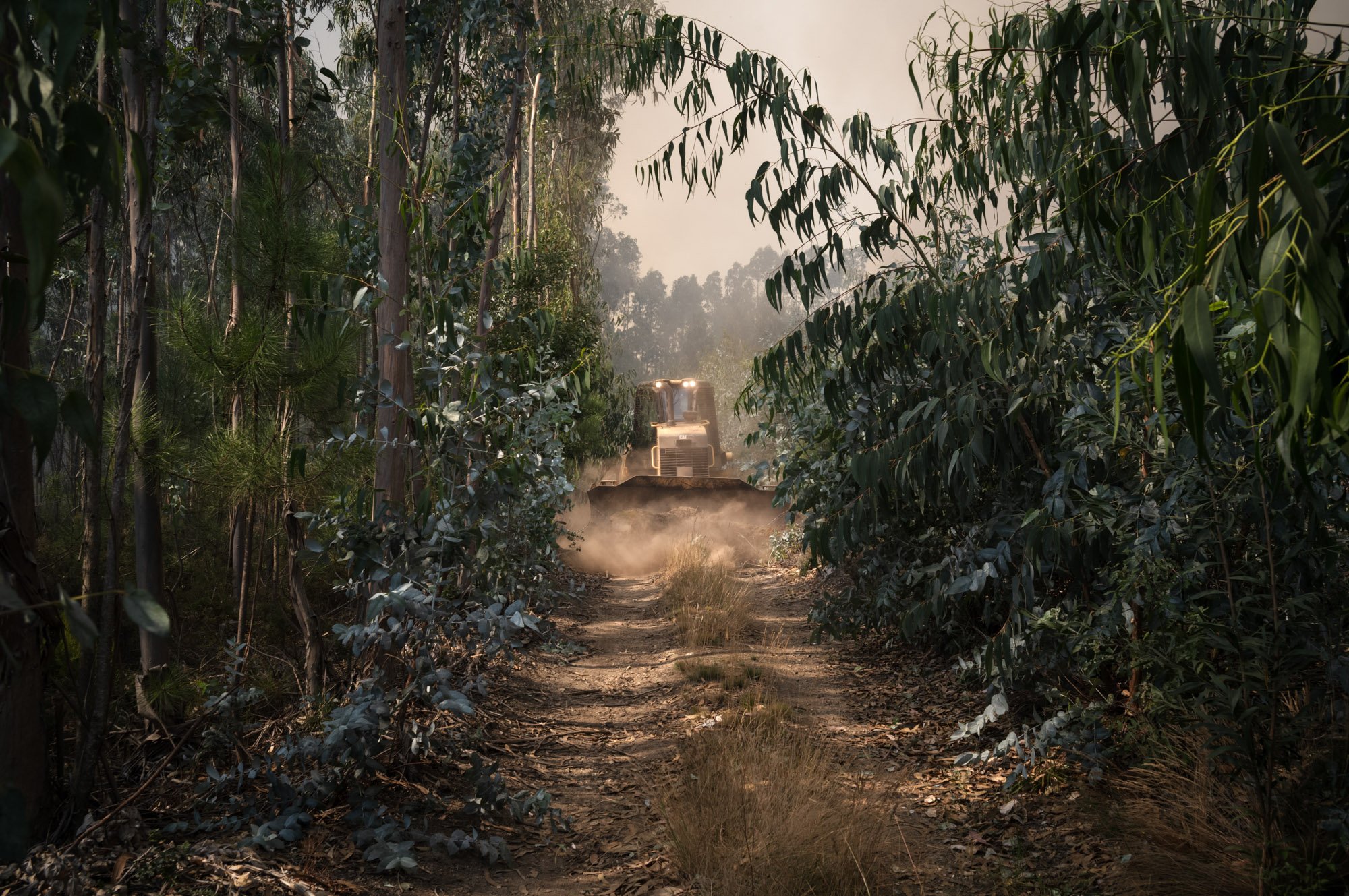
When the embers stop glowing, a monumental task begins. With the first rains, tons of soil and ash are swept into rivers, threatening wildlife and contaminating drinking water for towns and cities. Crews of workers labour for countless hours, fighting a difficult battle to clean the landscape and build ash-retention barriers before the rainy season begins. Others plant fast-growing native weeds — often using drones — to stabilize the terrain and prepare the ground for reforestation. Innovative, large-scale projects are now underway to restore vast stretches of landscape degraded by recurring wildfires and invasive species. In collaboration with local communities, teams use heavy machinery to prepare the land and plant thousands of saplings, redefining the idea of an industrial forest by blending productive species such as Maritime Pine with native species chosen for conservation. With a 80-year horizon and developed on communal lands, these projects allow the forests to mature and regenerate over generations.
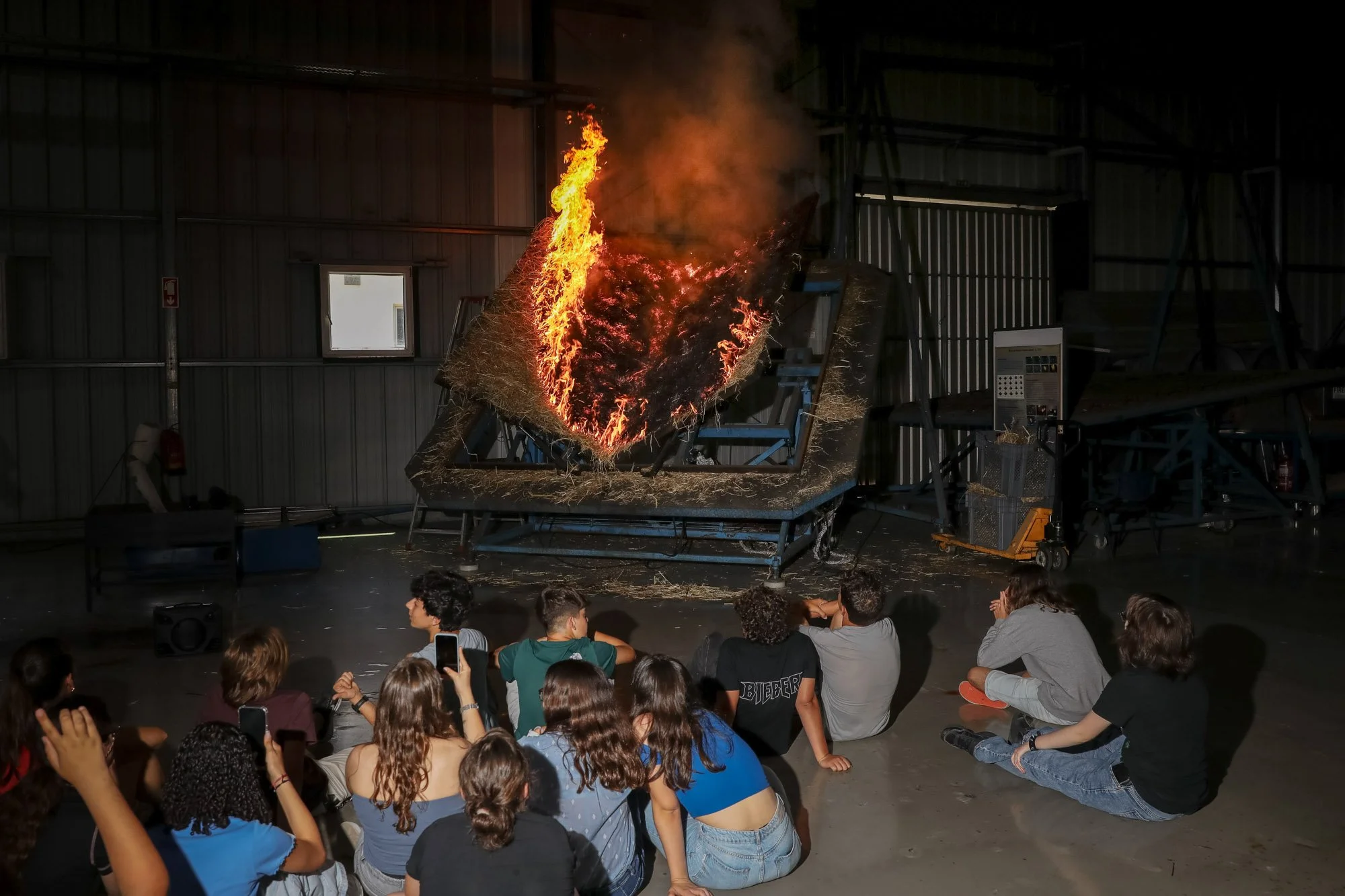
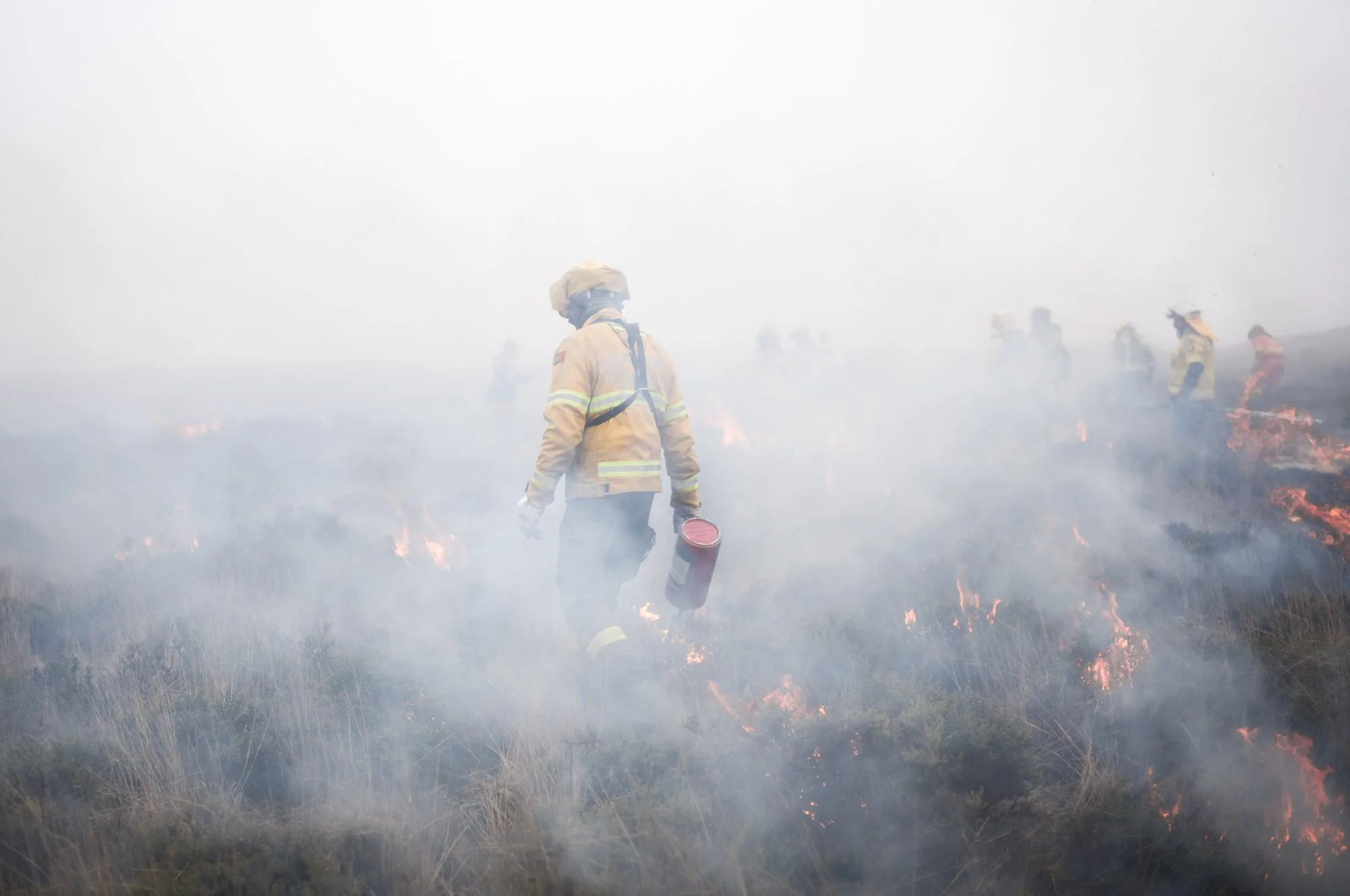
“Fire is necessary—it’s part of the ecosystem, so we have to live alongside it. We just have to learn to make it work for us,” says André Mota of the Civil Protection Squad of the Viseu Dão Lafões Intermunicipal Community. His team has been using controlled burns for several years in areas repeatedly affected by fire over the past five decades, reviving an ancient practice carried out by mountain shepherds. They have found that these prescribed burns can significantly slow the spread of summer wildfires and, in some cases, stop them altogether. Much has been done to improve surveillance, firefighting strategies, and ecosystem protection since the tragedy of 2017. But in a warming world, wildfires are becoming faster, fiercer, and more unpredictable. The future of these landscapes will depend on whether innovation, tradition, and community action can stay one step ahead of the flames.